2026-09-05
PCBA Supplier Site: Capabilities and Quality Proof Buyers Expect
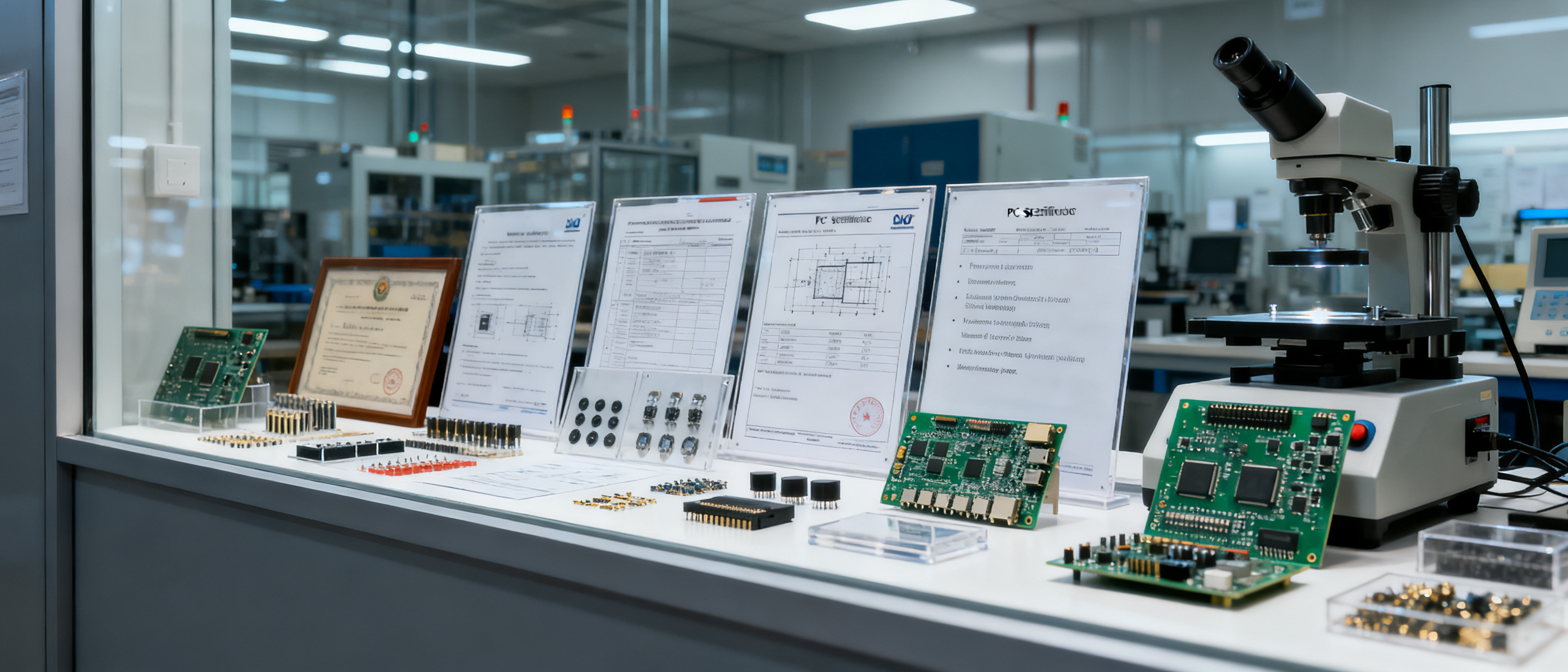
When a buyer lands on a pcba supplier site capabilities and quality proof matters more than slideshows or mission statements. They scan for hard specifications and evidence that your assembly floor can handle their exact requirements—be it a 0201 placement, a medical-device Class‑3 build, or a full turnkey box‑build. A pcba supplier site capabilities and quality proof turns a generic shop window into a trust checklist, helping you win the 10‑second scan that decides whether a sourcing manager emails or bounces. This article unpacks the concrete capabilities, certifications, inspection gear, and documentation that industrial buyers actually look for—so you can structure your English frontage to answer those questions before they’re asked.
What PCBA Capabilities Buyers Scan for First — PCBA Supplier Site Capabilities and Quality Proof
Buyers don’t read every word; they hunt for numbers that match their bill of materials. If your site buries process details in a PDF brochure, you’ve already lost them. List the capabilities that matter upfront, ideally in a scannable table or bullet grid.
- Number and type of SMT lines — e.g., “4 high‑speed YAMAHA YSM20R lines, 1 flexible line for low‑volume NPI.”
- Minimum component size — state 0201 inch/millimeters, 01005 if capable, and minimum pitch for BGA/QFN (0.4 mm is common).
- Through‑hole and mixed technology — selective soldering or wave soldering, and whether you handle PTH on both sides.
- Board handling limits — maximum board dimensions (e.g., 510×460 mm) and thickness range (0.5–6.0 mm).
- Box‑build & system integration — mention if you do cabling, enclosure assembly, firmware flashing, or functional testing beyond bare board.
- Lead‑free & RoHS capability — specify if you have separate lead‑free processes and reflow profiles.
- Volume flexibility — prototype runs (1–100 pcs), medium batch (500–5k), and mass production (>10k/month).
Below is a quick reference table that many buyers mentally check against their sourcing needs. Displaying this kind of data on your site gives them immediate confidence.
| Capability | What Buyers Look For | Example Credible Spec |
|---|---|---|
| SMT placement speed | CPH (components per hour) per line | 40,000 CPH per line |
| Smallest package | 0201 metric, 0.4 mm pitch BGA | 01005 metric (0.4×0.2 mm) |
| BGA rework | In‑house X‑ray inspection & reballing | BGA rework station with 0.5 mm pitch |
| Conformal coating | Automated selective coating | PVA coating machine, IPC‑A‑610 Class 3 |
| Turnover time | Prototype lead time | 3–5 working days |
Quality Certifications That Prove Assembly Standards
A pcba supplier site capabilities and quality proof is incomplete without current certifications. Buyers don’t just look for logos—they verify expiry dates and scope. Display the certificate number or a partial scan if possible, and explain what the standard means for their product.
- IPC‑A‑610 — the most recognised workmanship standard. State which class (1, 2, or 3) and whether your operators are certified to CIS or CIT level.
- ISO 9001:2015 — basic quality management. Nearly mandatory for any serious export desk.
- ISO 13485 / IATF 16949 — essential for medical or automotive OEMs. Specify the scope of registration.
- UL listing — for power supplies, control panels, or final products. Mention the UL file number.
- RoHS & REACH compliance — show an independent test report or a signed declaration.
- ESD control — ANSI/ESD S20.20 certification and a photo of your EPA (electrostatic protected area) with ionisers.
If you hold less common certifications like AS9100 (aerospace) or ISO 14001 (environmental), dedicate a small section to them. Buyers sourcing for regulated industries will filter by these credentials first.
Testing & Inspection Equipment That Backs Up Your Claims
Capabilities and certificates are promises; test equipment is the proof. A pcba supplier site that names its inspection machines gives buyers measurable trust. Avoid generic phrases like “100% quality inspection” — instead, list the actual equipment and the defect types it catches.
- Automated Optical Inspection (AOI) — model, resolution, and whether it runs inline or offline. Mention 3D AOI if available.
- X‑ray inspection — critical for BGA, QFN, and hidden joints. State the tube voltage (e.g., 130 kV) and whether it’s 2D or CT.
- In‑Circuit Testing (ICT) / Flying Probe — indicate the number of test points and whether you offer fixture‑based ICT for volume.
- Functional testing — describe your test jig capability, custom scripting, and how you handle boundary scan or firmware validation.
- First Article Inspection (FAI) — note the standard used (AS9102 or IPC‑A‑610) and the documentation package you deliver.
If you can, include a labelled photo of the inspection station with a caption like “3D AOI station on Line 2 — checks solder paste, component placement, and solder joints.” This one image often does more than a paragraph of marketing text because it shows the scanner you’re operating, not a stock photo.
Documentation & Traceability: Proof Beyond the Photo
Modern OEM buyers demand traceability that stretches from component reel to shipment. A pcba supplier site capabilities and quality proof should explain how you track materials and deviations, because that’s the evidence they’ll request during a factory audit.
- BOM management — describe how you handle AVL (approved vendor list) and alternate parts, including lifecycle alerts.
- Material traceability — lot number, date code, and manufacturer origin tracking per reel. Mention if you use a barcode system linked to the ERP.
- Process control records — reflow oven profiles, solder paste inspection (SPI) data, and AOI failure logs. Show a sample redacted report.
- FAI & PPAP packages — for automotive or industrial buyers, list the documents you can deliver: dimensional report, capability study (Cpk), material certifications, and a process flow diagram.
- Non‑conformance handling — a simple statement like “Root cause analysis report within 48 hours” signals a mature system.
Even a one‑page PDF excerpt of a typical traceability report, placed on your site, can set you apart from factories that only show unpainted factory walls. It proves you’ve passed audits before and are ready for the next one.
FAQ
What is the most important certification for a PCBA supplier?
IPC‑A‑610 is the de facto workmanship standard for electronic assemblies. If your product requires high reliability, look for Class 3 certification and operator IPC‑CIS credentials. ISO 9001 provides the quality management backbone, but the IPC standard tells you how the joints actually look.
How can I verify a PCBA supplier’s testing capabilities from their site?
Look for specific equipment models and test coverage numbers. A site that lists “3D AOI, X‑ray (130 kV), ICT, and functional test jigs” with photos is far more credible than one that says “100% tested.” Ask for a sample inspection report or a video of the test station in action.
Do I need to see on‑site photos of the factory floor?
Yes, but buyers need context. A photo of an SMT line without a caption is weak. A photo labelled “Yamaha YSM20R line, 0201 capability, 40k CPH, with inline 3D AOI” tells them you understand what matters. Avoid generic shots; choose images that show ESD controls, traceability labels, and inspection stations.
What documentation should I request before placing a PCBA order?
Ask for a sample FAI report, a process flow diagram, and a redacted traceability record. Also request a BOM with alternate parts noted and evidence of your supplier’s AVL control. If you’re in automotive or medical, request a PPAP package or a quality plan covering the entire build.
References & Further Reading
- IPC‑A‑610 Acceptability of Electronic Assemblies — the core workmanship standard.
- Web.dev — Fast load times — why a capabilities page must load quickly to keep buyers on‑site.
- Google Search Central — Structured data for product pages — how to help search engines understand your pcba service pages.
- B2B Frontage Blog — related articles on building a supplier website that wins trust without a web team.
- RoHS & REACH Compliance Overview — practical guide for electronics manufacturers.