2026-11-11
OEM Website Services for Industrial Manufacturers: What to Look For
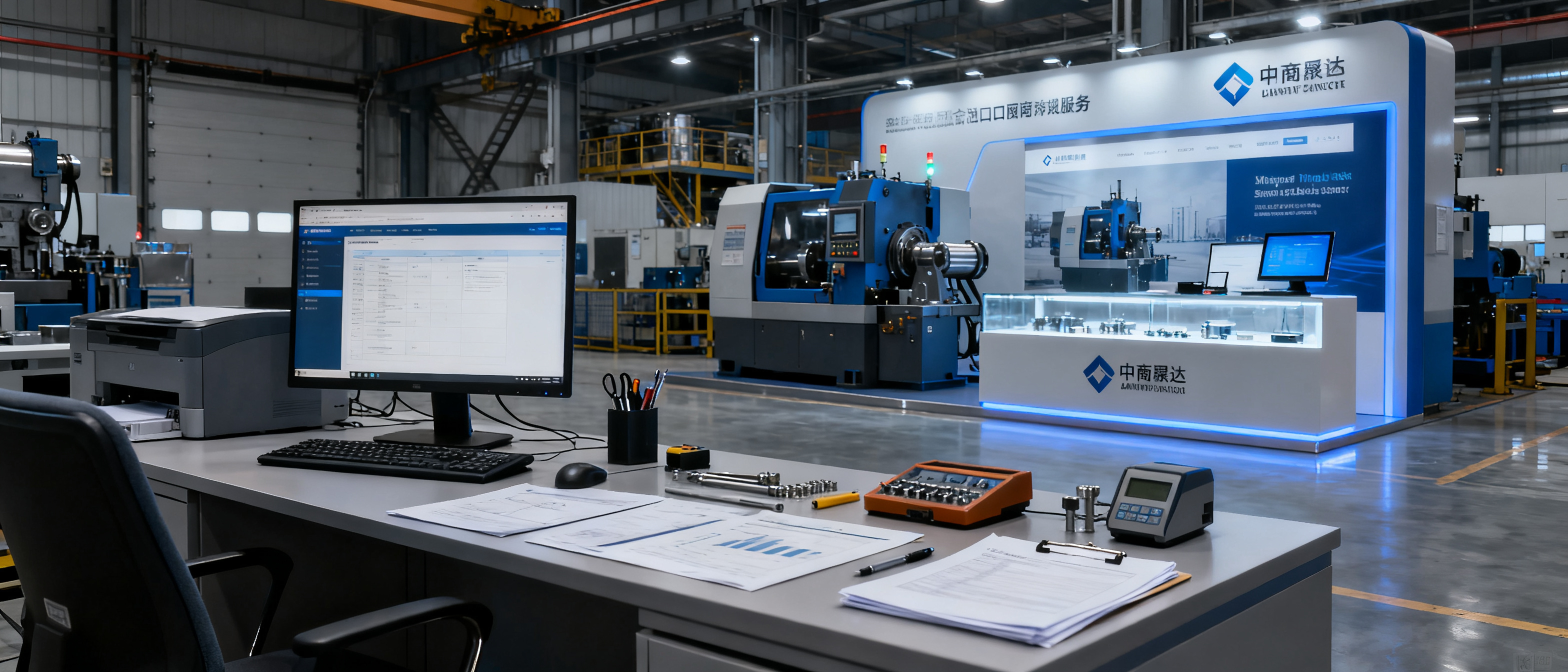
When you evaluate oem website services for industrial manufacturers, start by looking beyond design portfolios. A provider that truly serves an export desk will hand you a finished, performance‑tuned frontage that speaks the language of industrial buyers — not just a template and a list of features you have to learn. The right service saves months of back‑and‑forth, gives you the handful of pages overseas procurement actually checks, and eliminates the hidden cost of becoming a part‑time webmaster.
What OEM Website Services for Industrial Manufacturers Actually Cover
Industrial OEM website services are rarely just “build a site and walk away.” A service built for export‑focused manufacturers should bundle the pieces you would otherwise need to source separately. Expect a provider to deliver:
- Domain procurement or connection, DNS setup, and managed hosting (usually on a CDN‑backed architecture).
- An opinionated site structure optimised for B2B scanning — not a generic multi‑page brochure.
- Content drafts for core pages that already reflect export‑desk vocabulary: factory capabilities, QC process, machinery lists, and regional certifications.
- Product or solution summaries formatted for quick comparison, often including a downloadable PDF data sheet.
- Baseline on‑page SEO (schema markup for Organization/LocalBusiness, clean meta tags, proper heading hierarchy).
- SSL, mobile‑first rendering, and a page‑speed score that won’t hurt you on Google or when a buyer opens the link on a spotty connection.
- Ongoing security patches and content review without forcing you into a subscription CMS heavy enough for a news portal.
The common thread: a service that treats the site as a ready‑to‑use business asset, not an IT project you must finish yourself. Industrial manufacturers benefit most when the deliverable is a thin, fast, standards‑compliant English presence — one that procurement managers can trust in the under‑10‑second glance they give a new supplier.
The Non‑Negotiable Pages for an Industrial OEM Site
For an overseas buyer, a manufacturer’s site works like a pre‑qualification checklist. Missing a page they expect can cost you the inquiry. Below is the minimum set an oem website service for industrial manufacturers should include, and why each matters.
| Page | What a buyer checks |
|---|---|
| Home | Instantly confirms sector, scale, and market (e.g., “CNC turned parts for automotive tier‑2”). No splash screens. |
| About / Factory | Location, year established, export experience, headcount, and a genuine factory photo — not stock imagery. |
| Capabilities & Machinery | A concise list of processes (turning, stamping, plastic injection, SMT), tolerances, and key machinery brands (Haas, Sodick, etc.) |
| Products / Solutions | Organised by category or industry application. Each entry includes a material/spec summary, short description, and a photo or drawing. |
| Quality & Certifications | ISO, IATF, CE, UL, REACH, RoHS — with real certificate snapshots or registration numbers, not just badges. |
| Contact & Inquiry | Email, phone (with country code), factory address, and a simple form. Bonus: a direct link to a digital business card or company‑profile PDF. |
A surprising number of factory sites bury certifications on a single “about” page or hide the machinery list behind a login. A good service provider will have a fixed playbook for these pages and won’t let you launch until each one is filled with credible detail — no content‑writing heroics required from your side.
Why an Opinionated Scope Beats a DIY Builder for Export Desks
Platforms like Wix or Squarespace promise unlimited creative freedom, but for a manufacturer running an export desk, that freedom usually translates into a part‑time web design job nobody asked for. You can spend a week choosing a hero image, only to realise the resulting layout doesn’t pass Core Web Vitals or that the PDF datasheet you embedded won’t load reliably for a buyer in Hamburg.
An opinionated oem website service for industrial manufacturers deliberately limits choices to what works for B2B trust. It means:
- The page speed and mobile layout are pre‑proven. Google PageSpeed Insights and web.dev measurements aren’t an afterthought — the framework ships flat‑file, cache‑ready pages that load light even on slow overseas networks.
- Content fields are guided. Instead of a free‑form page builder, you fill in structured prompts: “Factory square metres”, “Main export regions”, “Minimum order quantity”. That data then flows consistently across the site, your digital card, and any downloadable brochure — you maintain facts once.
- No plugin maintenance avalanche. DIY builders require manual updates, extension compatibility checks, and endless spam comment filtering. A managed service that gives you a thin static frontage removes that entire class of work.
Export desks already juggle RFQs, logistics, and compliance docs. Handing them a website builder with unlimited flexibility rarely ends with a site that a procurement manager trusts inside the first scan.
How to Evaluate an OEM Website Service Provider
When you compare oem website services for industrial manufacturers, a structured checklist protects you from paying for a pretty portfolio that never converts. Ask every provider these eight things:
- Export‑centric content defaults. Do they supply draft copy that already knows the difference between an OEM and a trading company? Or will you need to explain your industry from scratch?
- Performance commitments. Request real Lighthouse scores from a live industrial client, not a generic demo. A mobile Performance score above 75 is table stakes for international buyers on patchy mobile data.
- Mobile responsiveness and rendering on low‑end devices. Ask for a test URL you can open on a 4‑year‑old Android phone — that is how many procurement leads will first see your site.
- Clean, static‑friendly architecture. Prefer providers that output flat HTML or pre‑rendered pages, not a database‑dependent CMS that risks slow TTFB and maintenance overhead. The Google Search Central SEO starter guide reinforces that crawl efficiency and speed correlate directly with technical simplicity.
- Own‑domain support and SSL. Your site should live under your factory domain, with a TLS certificate included and renewed automatically. Subdomain‑based services signal a temporary stall, not a permanent storefront.
- PDF/brochure generation. Many industrial buyers want a single‑page PDF they can forward internally. Confirm the provider can auto‑generate a company profile or product sheet from the same data you entered.
- On‑going cost and editing model. Get a clear annual number, not a monthly‑only rate. Watch for steep renewal jumps or per‑change fees. A fixed annual fee with a handful of content updates included usually mirrors how a factory actually operates.
- Peer proof in manufacturing. Ask for a reference from a factory making a similar product mix — not an agency that only lists creative‑industry clients.
For more guides on building a lean B2B manufacturer frontage that works alongside marketplaces, visit the B2B Frontage blog.
FAQ
Do I still need a custom‑designed website if I’m already on Alibaba or Made‑in‑China?
Yes. Marketplaces help buyers discover you, but most serious procurement leads will search for your factory domain before sending a formal RFQ. An own‑domain, manufacturer‑focused site signals stability and gives you control over the narrative — your certifications, your capabilities, your terms — without a competitor’s listing sitting two pixels away. The marketplace is a discoverability channel; the site is the trust asset that closes the deal.
How long should it take to launch a proper industrial OEM site?
With a focused service that ships an opinionated scope, a factory can usually go from kick‑off to a live English site within 7–14 business days — provided you have core company facts and product images ready. The bottleneck is rarely engineering; it’s waiting on internal sign‑off for copy and photography. Providers that offer a short, structured questionnaire during onboarding tend to cut launch time in half.
What’s a realistic annual budget for OEM website services that won’t need constant care?
For a managed, export‑grade frontage — hosting, SSL, performance optimisation, content assistance, and a static set of 6–8 core pages — expect to pay between $300 and $900 per year. The lower end typically covers an automated, template‑driven service where you provide raw materials; the upper end includes custom copywriting, multiple revisions, and a more tailored design. Avoid any provider that quotes a one‑time fee under $500 and promises “lifetime hosting” — ongoing security and infrastructure cost real money.
References & Further Reading
- Web.dev: Page performance scoring — Google’s guidance on what makes a site fast, directly influencing how industrial buyers and search engines perceive you.
- Google Search Central: SEO starter guide — practical baseline for ensuring your OEM site gets indexed and understood correctly.
- Thomasnet: Industrial Website Design — 6 Essential Elements — a buyer’s‑eye view of what US procurement expects from a supplier site.
- B2B Frontage Blog — articles on manufacturer‑focused frontage, export‑ready content, and balancing marketplace presence with an own‑domain site.