2026-08-16
Manufacturer Website vs Alibaba Store: Best Practices for B2B SMEs
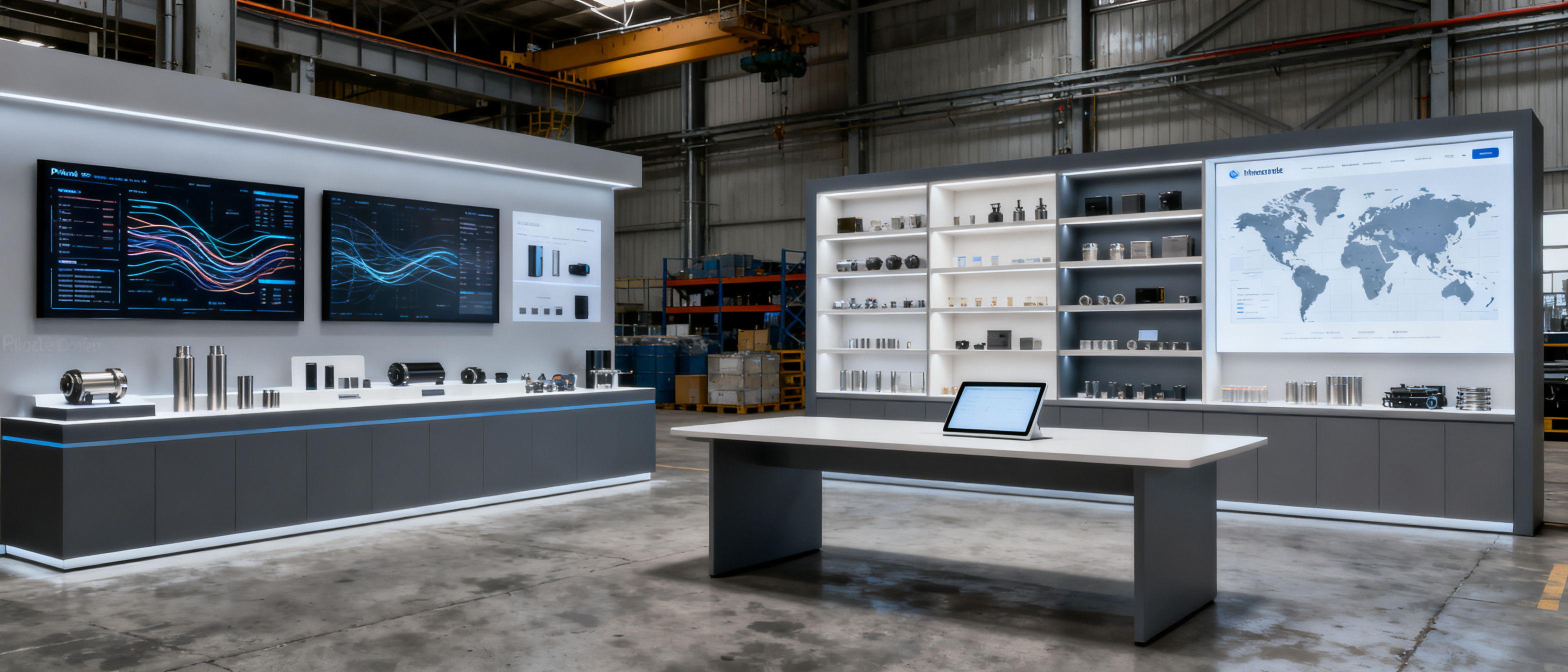
When buyers and B2B SMEs compare manufacturer website vs alibaba store best practices, the answer isn’t “pick one.” A manufacturer website builds long‑term trust and ownership, while an Alibaba store drives discovery and transactional credibility. The best practice for a lean export desk or small factory is to combine both—using a managed, opinionated frontage that removes the technical burden and lets you focus on RFQs.
What a manufacturer website does that an Alibaba store can’t
The core of any manufacturer website vs alibaba store best practices discussion is ownership. A standalone website gives you:
- A de‑risked digital asset that belongs to your company, not a marketplace. You control the URL, the content, and the buyer’s journey without competing listings or platform ads.
- Trust signals that no store page can replicate. Buyers expect a real factory to have an official English frontage with company history, certifications, production lines, and deeper product knowledge. A clean, fast site signals stability and seriousness.
- Search visibility independent of Alibaba. When a procurement manager searches “precision CNC turned parts manufacturer Germany approved” or “ISO 9001 extrusion factory Vietnam,” Google can surface your site—something your Alibaba store rarely does for long‑tail B2B queries.
- Complete content control. You can add detailed case studies, quality assurance pages, factory videos, and downloadable brochures without worrying about template limits or Alibaba’s content policies.
- Long‑term cost predictability. Once a site is live, you’re not paying per click or membership tier just to stay visible.
Yet, for most small manufacturers, the obstacle has always been the “website team”—maintenance, updates, hosting, and security. That’s where a managed solution changes the equation.
What an Alibaba store does that a standalone website can’t
Alibaba remains unmatched for buyer discovery. It gives you:
- Built‑in traffic and buyer intent. Millions of sourcing professionals start their search on Alibaba, and the platform’s RFQ matching and trade assurance create a low‑friction trust layer for the first contact.
- Transactional tools that a simple website doesn’t offer—order samples, send inquiry, secure payment, and logistics tracking, all inside one ecosystem.
- Instant credibility for new buyers. A verified supplier badge, transaction history, and on‑site reviews help a buyer feel safe, especially when they’ve never heard of your factory.
But the Alibaba store also comes with limitations: you pay to stay visible, buyer loyalty is to the platform, and you can’t fully control the narrative. When a buyer gets serious, they’ll Google your company name. If your website is missing, slow, or looks like a placeholder, you lose the trust that Alibaba helped you build.
Best practices for using both channels together
Smart export managers don’t see manufacturer website vs alibaba store best practices as a tug‑of‑war. They orchestrate both. Here’s how:
- Make your website the single source of truth. Keep full company details, certifications, production lines, and quality documents on your own domain. Update once, and let Alibaba product pages link back to the most complete version.
- Use Alibaba for discovery, website for conversion. Let the marketplace bring the initial click. Your website should then answer the buyer’s three silent questions: “Can I trust them?”, “Do they really make this?”, “Will they be easy to work with?”
- Keep technical performance high. Buyers scan fast. A manufacturer website that loads in under 2 seconds (ideally with a Largest Contentful Paint below 2.5 seconds) keeps them on the page. A sluggish site sends them back to Alibaba—and to your competitor.
- Reuse business facts, not duplicate effort. Maintain your company description, product categories, and certifications in one place, then assemble an Alibaba profile, a digital brochure, and a shareable card. Manual duplication across platforms leads to outdated information and mistrust.
- Own the relationship after the first RFQ. Use your website to collect email inquiries and build a direct buyer list, reducing your dependence on marketplace renewals.
This two‑channel approach used to mean hiring a web developer and a content person. Now, a managed, opinionated frontage does the heavy lifting for you.
How a managed frontage removes the website burden (and still works with Alibaba)
B2B Frontage is not a DIY builder where you’re still stuck dragging blocks and fixing layouts. It’s a managed English frontage service purpose‑built for manufacturers who need an official presence without a website team. The Auto $59/yr plan gives you a thin, fast, and trust‑building B2B showcase that answers buyer doubts the moment they land from Alibaba, Google, or a forwarded business card.
Here’s what makes the model different:
- Business knowledge first, site second. You provide your company facts, solutions, certifications, and production lines once. B2B Frontage assembles a complete English frontage, a digital card, a downloadable brochure, and shareable short links—all from the same source. No CMS maintenance, no updating five places.
- Opinionated and managed, not a blank canvas. The platform removes decisions about layout, performance, and SEO isolation. You don’t configure themes, plugins, or caching. The result is a site that loads fast, works on mobile, and stays safe—without you ever touching code.
- Own domain, full trust. You can connect your own domain (e.g.,
yourfactory.com) so your Alibaba‑generated leads see an independent, professional address. The technical work—DNS, SSL, hosting—is handled by the platform. - Alibaba‑compatible, not a replacement. A B2B Frontage site sits perfectly alongside your Alibaba store. When a buyer clicks through from your supplier profile, they find a consistent, fast, and detailed company page that reinforces your credibility. The frontage includes the facts that Alibaba product pages often lack: full company story, quality certifications, production line images, and clear OEM/ODM capabilities.
- Predictable cost, no hidden fees. At $59/year, the Auto plan covers the essential trust asset most small factories have been missing. Larger custom CMS requirements are available by quote, but the thin frontage already solves the “Google me and find nothing” problem.
See how a CNC machining factory uses this approach: https://demo.getb2bsite.com/cnc — a clean, fast English frontage without a single line of custom code. Compare it to a generic B2B demo at https://demo.getb2bsite.com. The full specification of what the Auto plan includes (and what it doesn’t) is transparent at https://www.getb2bsite.com/#rules. For more on how managed frontages change the game for export desks, visit the B2B Frontage blog.
FAQ
Can a manufacturer website replace an Alibaba store for getting inquiries?
It can’t replace the discovery volume Alibaba brings, but it complements it. Many B2B buyers will check your website before sending a serious RFQ. Without a site, you’re invisible at the final trust step. The best practice is to maintain both: let Alibaba bring the initial traffic, and let a fast, factual website seal the deal.
How much does a professional B2B frontage cost for a small factory?
A managed, thin English frontage like B2B Frontage’s Auto plan costs $59/year. This includes hosting, security, performance optimisation, and the assembly of your site, digital card, and brochure from a single set of business facts. There are no hidden setup fees, and you don’t need to hire a web person to keep it running.
Is it possible to have a website without technical skills or a web team?
Yes, if you use a managed service that removes the technical burden. Instead of learning a page builder or worrying about updates, you provide your business facts once. The platform handles the rest—content assembly, layout, speed, and domain setup. This is the core bet of B2B Frontage: that small manufacturers should be able to get an official English presence without ever becoming a website manager.
References & Further Reading
- Web Vitals – Core Web Vitals explained (web.dev) — understand the performance metrics that matter when a buyer lands on your site.
- Google Search Essentials (developers.google.com) — technical and content guidelines for being visible in Google search.
- B2B Frontage Demo Site — a live example of a managed manufacturer frontage.
- CNC Machining Demo Frontage — industry‑specific example of a thin, trust‑building B2B site.
- B2B Frontage Auto Plan Rules — transparent scope and limitations of the $59/yr managed plan.
- B2B Frontage Blog — practical guides for export desks and small manufacturers building an English presence.