2026-09-10
Five Supplier Claims to Verify Before Sending a Reshoring RFQ
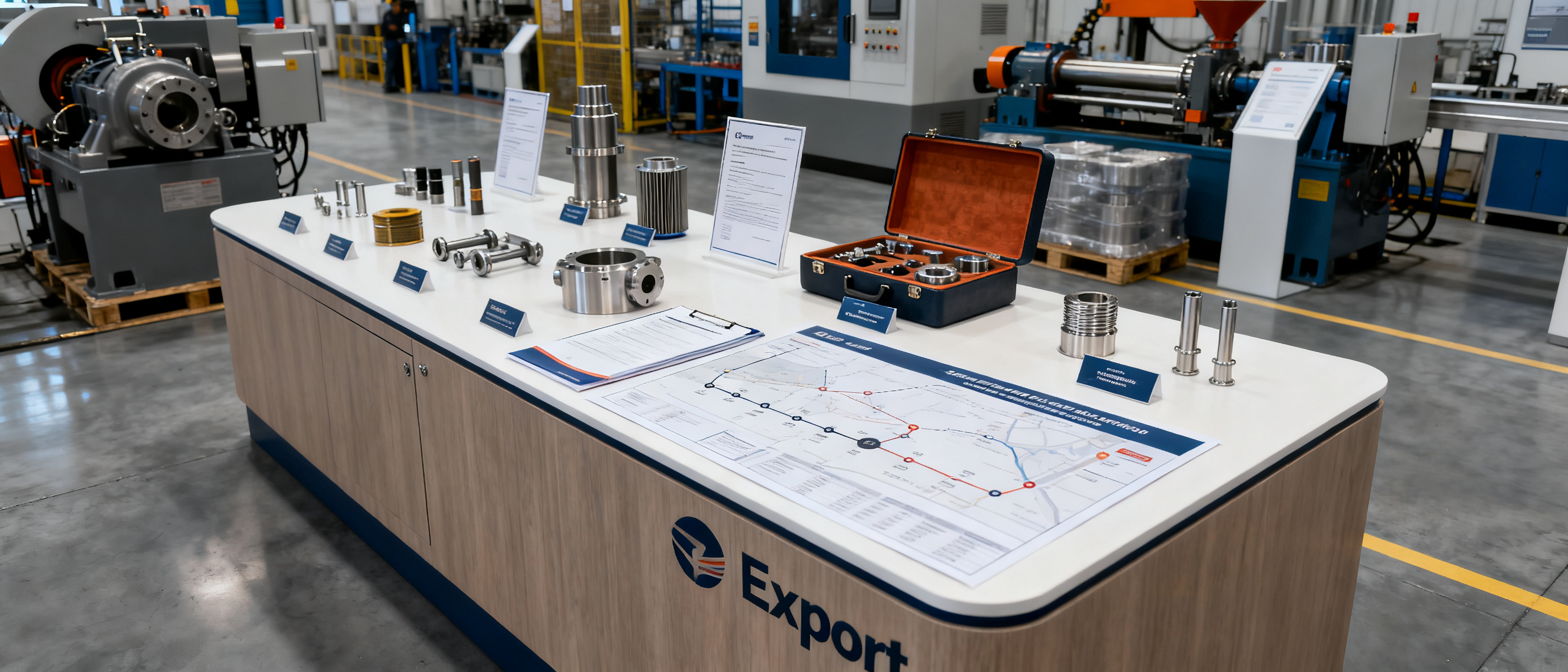
If you’re preparing to send a reshoring RFQ, you need to verify five supplier claims before you commit. A glossy website and a confident sales pitch can mask deep gaps in manufacturing experience, actual capacity, or process control—gaps that often surface only after tooling investments and sample approvals. Before you email that request for quotation, run each of the five supplier claims to verify before sending a reshoring RFQ through a quick, evidence-based check.
Manufacturing Experience: Check the Shop Floor, Not Just the Website
This is the first of the five supplier claims to verify before sending a reshoring RFQ. A supplier might claim “20 years of precision machining,” but experience means little if the team that built that reputation has left. Ask for a list of active customers who match your part profile, not just a generic client roster. A video walkthrough of the shop floor—with the date and a note about current WIP—reveals whether the operation is real and stable. Look for the number of setup operators, the cleanliness of the workholding area, and whether the plant runs multiple shifts. If the supplier’s own-domain English page shows only a stock photo and a contact form, treat that as a signal to dig deeper, not as proof of legitimacy.
- Request a recent, date-stamped shop-floor video showing machines running your part type.
- Ask for three customer references that have been active for at least two years, not just one-off projects.
- Check if the company owner or lead engineer is still involved in daily operations, not just a sales front.
Facility Capabilities: Verify Equipment and Process Ownership
Brokered manufacturing is common in reshoring, where a supplier may quote a process they don’t actually own. Before you send that RFQ, verify that the claimed equipment sits on their floor, not a subcontractor’s. Request a machine list with model numbers, serial years, and tooling inventory. Then cross-check a few of those models against the part tolerances you need. A supplier with genuine capability will share a quick walkthrough of the specific CNC cell, injection press, or inspection lab that would run your job. According to the CIPS supplier appraisal guide, verifying asset ownership is a core pre‑qualification step.
- Get a machine list that includes the make, model, and year—not just “5-axis CNC.”
- Ask for a photo or video of the exact machine that would produce your first article.
- Confirm that in‑house metrology equipment (CMM, profilometer) matches the inspection requirements on your drawing.
Capacity: Look for Real-Time Loading, Not Promises
“Unlimited capacity” is a red flag. Every shop has finite hours, and reshoring RFQs often land in a queue behind existing work. Request a current loading chart or a snapshot of the production schedule. A simple table that compares the supplier’s headline claim with what you can actually verify helps you avoid a bottleneck six months in.
| Supplier Claim | Data to Verify |
|---|---|
| “200,000 units/month” | Current backlog (weeks), utilisation rate, and any seasonal peaks |
| “Dedicated line for your project” | Line assignment photo, shift schedule, and planned maintenance windows |
| “Quick scale-up” | Lead time for additional tooling, raw material inventory policy, and floor space for extra machines |
Ask for the weekly man‑hours available for new work and whether any major retooling is already scheduled. A Reshoring Initiative checklist often flags capacity misrepresentation as a top cause of reshoring delays.
Outside Process Control: Who Handles Plating, Heat Treat, or Assembly?
Many reshoring RFQs trip over secondary processes. A supplier may claim full control while quietly outsourcing plating, heat treating, or sub‑assembly to a third party you’ll never meet. Request a process flow diagram that marks every step—internal and external. For each outside process, ask for the subcontractor’s name, quality certifications, and the most recent audit date. If the supplier hesitates, assume the risk is real.
- Ask for a copy of the subcontractor’s ISO or industry‑specific certification.
- Request a sample of the coating or heat‑treat certificate that would accompany your parts.
- Get the purchase order cycle: how long does the outside process take, and what happens if the subcontractor fails?
Launch Readiness: Their Timeline vs. Your Project Plan
A supplier might promise “first articles in four weeks,” but that timeline often collapses under tooling design, material procurement, and PPAP requirements. Ask for a Gantt‑style project plan that shows tooling design freeze, material receipt, first‑off inspection, and production part approval dates. Compare their timeline with industry norms: a complex die‑cast tool typically needs 6–8 weeks, not 3. The five supplier claims to verify before sending a reshoring RFQ should always include a stress‑test of the launch schedule, because an over‑optimistic timeline is the most expensive kind of misrepresentation.
FAQ
What’s the most common false claim when reshoring manufacturing?
Suppliers often overstate their in‑house process control, especially for secondary operations like plating or heat treat. They present an RFQ‑ready quote that assumes full ownership, but the work is actually brokered, adding lead time and quality risk.
How can I verify supplier capacity without an on‑site visit?
Request a live video walkthrough of the shop floor that shows the machines that would run your parts. Ask for a current loading chart or backlog log, and confirm the number of shifts and weekend operations. A supplier that cannot share a quick, unpolished video is usually not ready for a reshoring commitment.
Should I ask for a full production timeline before sending the RFQ?
Yes, but ask for a draft timeline that includes tooling, first article, and PPAP or equivalent approval stages. Use that draft to test whether the supplier’s claims align with standard lead times for your process. A detailed timeline before the RFQ also helps you weed out suppliers who are quoting to win, not to deliver.
What documentation should I request to confirm process capabilities?
Ask for a machine list with model numbers, a process flow diagram that marks internal vs. external steps, and a sample of a first‑article inspection report from a similar project. If the supplier works with subcontractors, request the subcontractor’s quality cert and most recent audit summary.
How do I know if a supplier’s reshoring experience is genuine?
Look for a track record of completed reshoring projects, not just a website claim. Ask for a case study that includes the previous offshore location, the transition timeline, and the ramp‑up volume. A genuine reshoring partner will have data on scrap rates, delivery performance, and cost comparisons from the initial batches.