2026-08-15
Factory Website Product Catalog vs Thin Showcase: CNC Machining
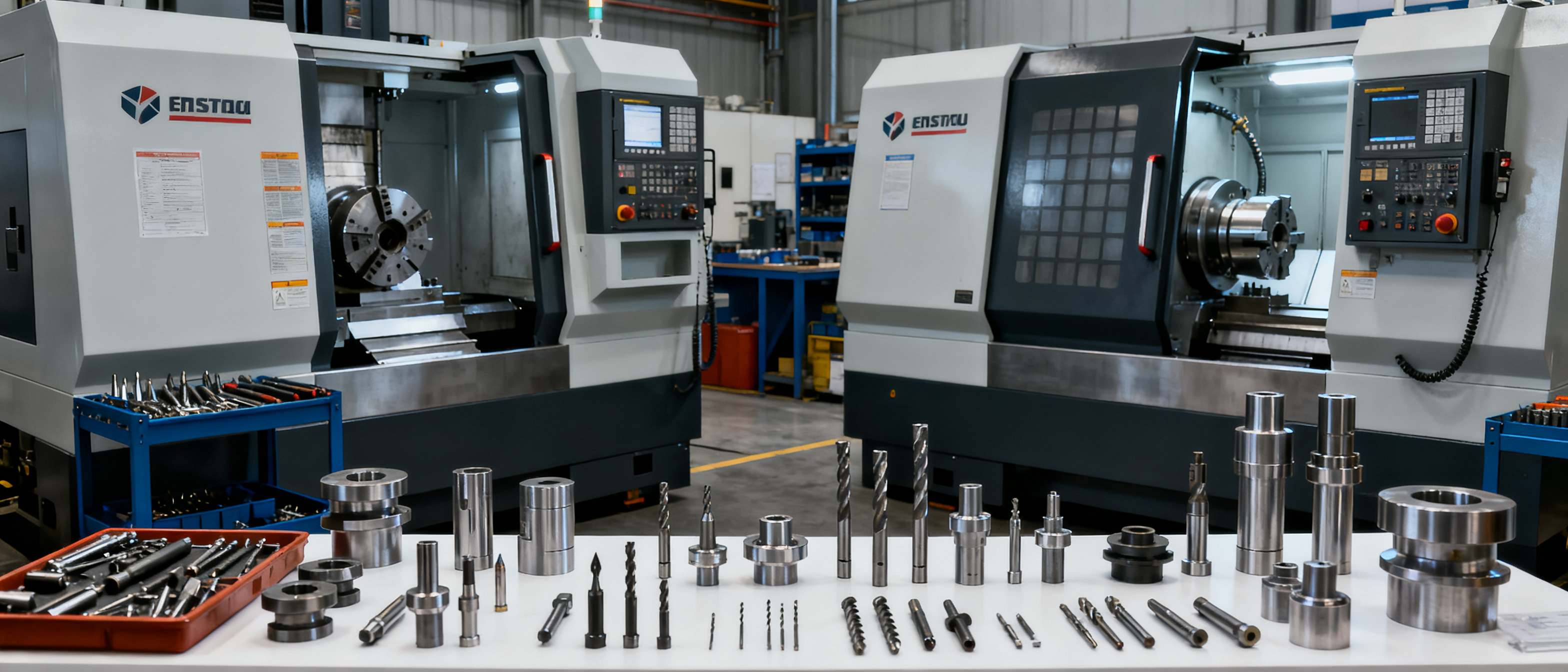
When procurement managers search for a CNC machining supplier, they don’t want to browse a department store catalog. A factory website product catalog vs thin showcase comparison reveals that a lean, trust-first page often outperforms an exhaustive product listing for job shops and contract manufacturers. The reason is simple: buyers scan for capability, not for every part number you’ve ever made—and a thin showcase delivers that capability in seconds without the maintenance burden of a full catalog.
What a full product catalog demands from a CNC machining site
A traditional product catalog for a CNC machining factory is not just a list of parts. It demands a dedicated web team: someone to photograph every sample, write unique descriptions for each variation, enter tolerance ranges, material grades, surface finishes, and lead times, and then keep it all updated when machines change or raw material costs shift. For a typical job shop with 200–500 active part numbers, that’s a content maintenance job that never ends.
Search engines have also moved on. Google’s quality guidelines reward pages that demonstrate real expertise, not thin content duplicated across dozens of near-identical product URLs. A full catalog with short, generic pages often leads to index bloat, slower crawl budgets, and poor mobile performance—critical when Google’s mobile-first indexing means your site is judged by how it loads on a phone. More importantly, overseas procurement managers rarely navigate product grids. They look for batch capacity, repeatable tolerances (often ±0.005 mm or tighter), material capabilities (aluminum 6061, stainless 304, PEEK), and quality systems—none of which sit naturally inside a product page.
When a thin showcase earns more trust and RFQs
In a factory website product catalog vs thin showcase comparison, the thin showcase wins every time trust is the goal. A thin showcase is a single, well-structured page that surfaces exactly what an industrial buyer needs: machine list (Haas, DMG Mori, Citizen), inspected tolerances, material and finishing options, QC certifications (ISO 9001, AS9100, IATF 16949), real factory photos, and a direct inquiry path. There is no product pagination, no stale inventory, and no confusion.
Industry surveys consistently show that over 70% of a B2B buyer’s decision is made before they ever contact a supplier. For CNC machining, that means a buyer who sees a 5-axis mill, a CMM report sample, and a clear statement of “we hold ±0.01 mm on aluminum” can decide in a few seconds whether to send an RFQ. A thin showcase like this live manufacturer demo puts those signals front and center, while a full catalog hides them behind product SKUs. The result is a higher inquiry-to-visit ratio because the page answers the buyer’s real question: “Can this shop make my part?”
How to blend catalog needs without breaking the thin showcase promise
Some CNC shops do have standard products—precision dowel pins, modular fixture plates, or a line of off-the-shelf heat sinks. In those cases, you can blend a limited catalog without destroying the thin-showcase advantage. The key is to keep the homepage a capability showcase, not a product grid. A “Standard Parts” block can link to a handful of well-built product pages, each with real specifications, tolerance graphs, and material data sheets, rather than a hundred thin duplicates.
Another approach is to use a downloadable PDF catalog or a private portal for registered buyers, leaving the public-facing site lean. For shops that need a few key product pages, consider using structured data (Product schema) on only those pages, so Google can display rich snippets without bloating the entire site. Similar strategies work for adjacent fields like injection molding, where the showcase page handles trust and the specific product pages serve repeat buyers. The guiding rule: never let the product list compromise the trust scan. Platforms that enforce a clear frontage structure often yield better buyer engagement because they prevent the slide into a maintenance-heavy catalog.
What overseas procurement managers actually scan for on a CNC supplier page
When an overseas buyer lands on your CNC machining site, they spend less than 15 seconds deciding whether to stay. Their eyes move through a predictable checklist:
- Machine brand and type: 5-axis, Swiss-type, or multi-tasking? Haas, DMG Mori, or Star?
- Published tolerances: Can you hold ±0.005 mm or better consistently?
- Material range: Aluminum, stainless, titanium, engineering plastics, and exotics.
- Surface finishes: Anodizing, passivation, powder coating, or bead blasting.
- Quality certifications: ISO 9001, AS9100, or medical ISO 13485.
- Production scale: Prototype, low-volume, or high-volume runs? MOQ clarity.
- Real facility images: Genuine shop floor photos, not stock imagery.
- Contact method: Direct email, inquiry form, or WhatsApp—without friction.
A thin showcase surfaces all of these within the first scroll, while a full catalog buries them under layers of product taxonomy. For a buyer comparing three suppliers, the one that communicates capability instantly wins the click to RFQ.
FAQ
What is a thin showcase for a CNC machining factory?
A thin showcase is a focused, single-page website that presents a manufacturer’s capabilities instead of listing every product. It typically includes machine types, tolerance ranges, material options, quality certifications, facility photos, and a direct inquiry path. It’s designed for the way industrial buyers actually evaluate suppliers—by scanning for trust signals, not browsing product numbers.
Can a thin showcase rank well on Google for CNC machining keywords?
Yes, and often better than a large catalog. Google rewards pages that demonstrate expertise, authority, and trust (E-E-A-T). A thin showcase that includes detailed capability descriptions, real images, and properly structured data can rank for high-intent queries like “CNC machining aluminum 5-axis supplier” because it matches the searcher’s need. A thin catalog with duplicate content, on the other hand, can trigger Google’s thin-content filters and harm overall site quality.
How do I decide between a full product catalog and a thin showcase?
If your CNC business is primarily custom, contract, or project-based, a thin showcase is almost always the better choice. If you sell standard, repeatable parts with fixed SKUs and need a transactional purchase flow, you can add a few well-optimized product pages—but keep the homepage a capability showcase. Ask yourself: does my buyer need to see 500 variants to trust my shop, or do they need to see my machines, tolerances, and quality system? The answer tells you which direction to go.