2026-10-28
What Pages Every Small Business Website Needs: B2B Checklist
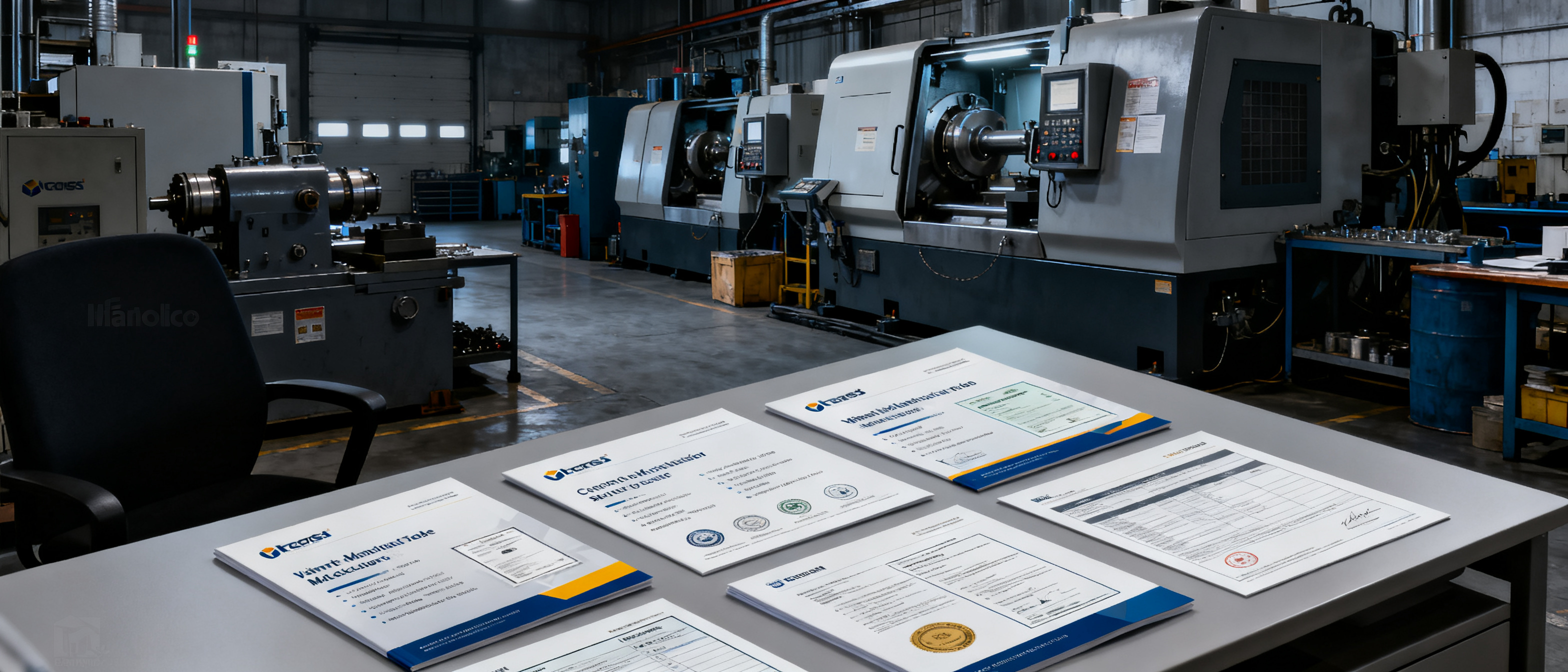
If you're mapping out what pages every small business website needs to land B2B inquiries, the answer is surprisingly short. For a factory, OEM supplier, or regional manufacturer, you don't need a newsroom, a 50-product catalog, or a blog. Procurement managers scan supplier sites for basic trust signals—and most of them only visit a handful of pages before deciding whether to send an RFQ. This checklist strips the fluff down to the three or four pages that actually build buyer confidence, so you can launch a credible English frontage without a website team.
The Core Pages Buyers Expect
When tightening the answer to what pages every small business website needs, it helps to look through a buyer's eyes. An international procurement manager or sourcing agent visits your site with a single question: Can this manufacturer reliably produce what I need? They aren't reading your vision statement. They're scanning for proof of existence, competence, and a way to reach you. The absolute minimum that satisfies this checkpoint consists of three pages: a homepage, a capability page, and a contact or inquiry page. Many successful small manufacturers add a fourth—a certificate or line-sheet section—but you can validate that decision later. The key is to make every page answer a clear question the buyer holds.
- Homepage: “Is this a real company I can consider?”
- Capability page: “Can they make my part / product at acceptable quality?”
- Contact / Inquiry page: “How do I start a conversation without jumping through hoops?”
Homepage – Your 5-Second Legitimacy Test
A buyer's first visit often lasts only a few seconds. In that window, they'll notice your company name, a crisp image or short tagline that explains what you manufacture, and a visible link to both your capability overview and your contact details. If any of those are missing, the buyer leaves. Even a single sentence like “Precision CNC machining for automotive and medical devices since 2008” paired with a clean logo and a phone-friendly layout works harder than a rotating banner of generic factory shots. Think of the homepage as a legitimacy shortcut, not a welcome mat. Speed is part of legitimacy too—a sluggish page feels amateurish, and buyers routinely abandon sites that take more than three seconds to become interactive on mobile (you can benchmark this with Core Web Vitals on web.dev).
- Visible company name (ideally with a short, recognizable logo).
- One clear sentence about what you make or the industries you serve.
- A trust marker: year founded, export countries, a client flag, or a small certification badge.
- Immediate paths to capability and contact, either as top nav or prominent buttons.
- No auto‑playing background video or heavy sliders that hide the message on mobile.
Capability Page – Not a Product Catalog, but a Proof of Competence
One of the biggest misunderstandings among small manufacturers is assuming a buyer wants to browse an exhaustive product gallery. What B2B buyers really look for is evidence that you can make their product, even if they never see an exact match in your photographs. A capability page answers questions like: What processes do you run in‑house? Which raw materials do you handle? What tolerance or certification standards do you meet? What’s your typical order volume range? A short capability statement followed by a machine list or a table of key specs reassures a buyer far more than 200 unlabeled part photos. If you want to include samples, limit them to 6–10 representative items with captions that mention process and market, not just product names.
- Core manufacturing processes (e.g., injection molding, sheet‑metal fabrication, PCB assembly).
- Key equipment list with capacity or precision highlights (at least 3–5 machines named).
- Quality standards and certifications (ISO, ASME, CE, etc.) with any registration numbers.
- Industries served and typical project scale—vague “we serve global markets” doesn’t help.
- An honest mention of what you don’t do, because it prevents wasted RFQs that destroy trust.
Contact & Inquiry Page – Where RFQs Begin
If a buyer reaches the contact page and sees only a generic form with a captcha or a bouncy “sales@info” address, their fraud radar lights up. Manufacturing buyers want a direct path to a real person. A trustworthy contact page includes a company email (not Gmail), a physical street address, and—for many international buyers—a WhatsApp or WeChat number listed openly. A short inquiry form is fine, but it must be accompanied by at least one direct contact method. Also, avoid hiding your location; showing a factory address on a map builds instant confidence, especially if the address can be verified against third‑party directories.
- Primary company email address, ideally on your own domain.
- Direct phone or messenger contact (WhatsApp, WeChat, Line) with country code.
- Physical factory or office address with an embedded map or a link to a map service.
- A short RFQ form (name, company, message, optional attachment) without excessive mandatory fields.
- Response-time promise—“We reply within one business day”—sets clear expectations.
Many small B2B sites treat the contact page as an afterthought, but it’s the page where procurement decisions turn into inquiries. Test it yourself: send a test RFQ from a mobile device and measure how long a real reply takes. If the buyer experience is clumsy, fix the page before driving any traffic to it.
FAQ
Do I need a separate “About Us” page for a small B2B site?
You don't necessarily need a standalone About Us page as long as your homepage and capability page together answer who you are and what you're good at. Many small manufacturers combine company credentials, ownership history, and staff scale into the capability page. The key is to make the information findable—if a buyer can learn your factory size and core expertise within two clicks, you're covered.
Can a one-page website work for a B2B manufacturer?
Yes, if it’s structured with clear sections that a buyer can scan. A long, scrolling single page that covers your key offering, trust signals, and a contact form can replace multiple pages. However, separate, dedicated URLs (e.g., /capability and /contact) often convert better because they can be bookmarked and shared by procurement teams. If you go with one page, ensure you still have a clear anchor for “Contact” and a clean mobile layout; otherwise, buyers may mistake it for a placeholder.
How can I tell if my small business website looks legitimate to an international buyer?
Run a quick legitimacy test yourself: load the site on a smartphone, glance at the homepage for three seconds, and ask if you would trust this factory with a $10,000 order. If the company name isn't immediately visible, the English contains spelling mistakes, or the contact page hides the email behind a mandatory captcha, buyers will assume it’s a trading shell, not a real manufacturer. Trustworthy supplier sites display a physical address, a direct inquiry method, and at least one verifiable certification or customer logo. Speed matters, too—a slow site signals a cheap template. You can verify load time with PageSpeed Insights (web.dev) and the guidance from Google’s helpful content guidelines.
Should I include a product gallery if I do custom OEM work?
A small curated selection of 6–10 representative samples with short captions—what the piece is, which market or standard it met—can act as a capability visual. Avoid turning the page into a full-blown e‑commerce catalog. Custom OEM buyers know you won’t show their proprietary designs. Instead, display a few anonymized outputs (a precision bracket, a die‑cast housing, a welded assembly) so the buyer can judge surface finish and complexity instantly. Label each image with the relevant process or tolerance, not just a product name.
References & Further Reading
- Core Web Vitals – web.dev – Understand the performance metrics that directly affect buyer trust and bounce.
- Creating Helpful Content – Google Search Central – People‑first page guidance that strengthens B2B supplier credibility.
- B2B Buying Has Changed – McKinsey & Company – Research on how digital‑first procurement managers evaluate suppliers.
- How to Verify a Supplier – Thomasnet – Insights on the signals industrial buyers look for when vetting a manufacturer.
- B2B Frontage Blog – More practical checks for small manufacturer English sites.