2026-09-08
OEM Website Development & Online Marketing: Opinionated Scope Wins
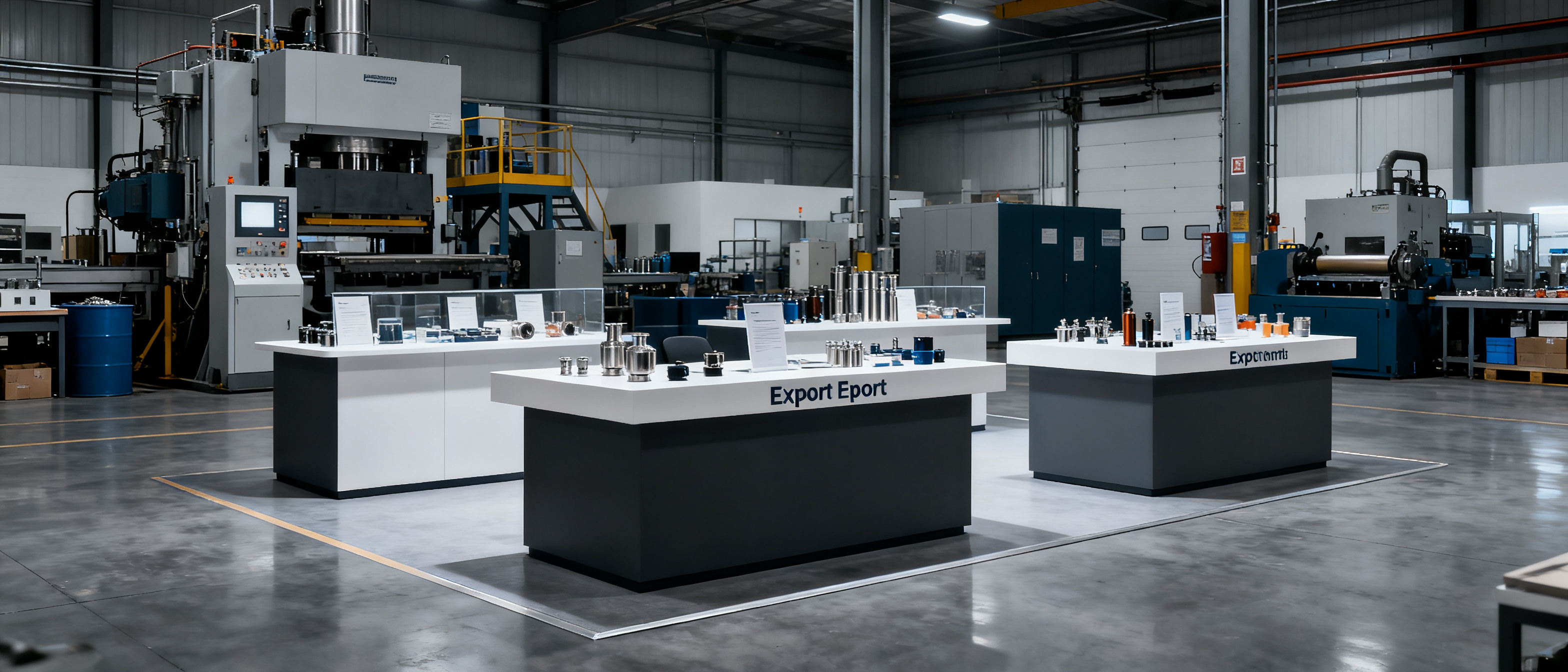
OEM website development and online marketing succeed when you stop treating a factory site as a blank canvas and start with an opinionated scope. A predetermined set of pages, clear calls to action, and focused content reduce the maintenance burden, speed up buyer trust, and eliminate the paralysis that open-ended custom builds create. For export desks and small manufacturers, fewer choices almost always mean faster inquiries.
The Real Scope of OEM Website Development and Online Marketing
An OEM website doesn’t need to be a 50‑page corporate portal. Its real scope is a handful of essential pages that answer the three questions every procurement buyer asks in the first 10 seconds: Who are you? What do you make? Can I trust you? When you tie that scope tightly to online marketing, you turn a static brochure into a functioning lead‑generation asset.
A typical slim OEM website includes:
- Home – a clear value proposition and a path to the inquiry form.
- Company / Factory – real photos, production capabilities, and a short history.
- Products & Solutions – grouped by category, with key specs and downloadables.
- Certifications & Quality – ISO, CE, test reports, and inspection workflows.
- Contact / Inquiry – a mobile‑friendly form plus direct WhatsApp or email options.
This scope is deliberately limited. It keeps the site lightweight, easy to maintain, and perfectly aligned with the way buyers scan. Because every page is designed for a single job, it also becomes a strong foundation for search engine visibility, ad landing pages, and marketplace profile links – the core of online marketing for a manufacturer.
Why Open-Ended Decisions Stall Export Desks
When a factory owner or foreign‑trade manager is handed a blank slate – “choose any layout, any number of pages, any color scheme” – the project often stalls. Weeks go into debating design preferences, rewriting boilerplate copy, and hunting for IT help. One export desk we observed spent four months comparing CMS platforms and never launched a simple site, while a competitor went live with a focused five‑page frontage and started receiving inquiries in under two weeks.
Open‑ended decisions create three drags:
- Decision fatigue – too many options paralyze non‑technical teams.
- Maintenance fear – an overbuilt site needs constant updates; a small team avoids it.
- Cost creep – custom development and freelance web help quickly inflate the budget.
An opinionated approach removes these roadblocks by pre‑defining the structure. The manufacturer supplies the business facts (company, products, certifications); the rest is handled by a managed system. This slashes time‑to‑launch from months to days and lets the owner focus on quoting, not on web design.
How an Opinionated Scope Improves Inquiry Conversion
Procurement buyers scan supplier sites, they don’t read them. A predictable, opinionated layout matches that scanning behavior. When the company overview, product range, and inquiry button are exactly where a buyer expects them, trust builds faster – and the inquiry form gets used.
Real‑world data backs this up. Google’s research shows that 53% of mobile visitors abandon a page that takes longer than three seconds to load (web.dev). A slim, opinionated site routinely passes Core Web Vitals because it avoids heavy scripts and bloated layouts. Similarly, Google and Ipsos found that 50% of B2B buyers are more likely to purchase when a supplier’s website clearly presents its capabilities (Think with Google).
An opinionated scope also bakes in conversion‑focused CTAs: a persistent “Get a Quote” button, a prominent WhatsApp link, and a short inquiry form that works on mobile. Because the site is fast and predictable, the bounce rate drops, and the inquiry rate rises – often two to three times higher than on a cluttered custom build.
Key Elements of a Slim OEM Website Development & Online Marketing Plan
A slim OEM website plan isn’t about cutting corners; it’s about being intentional. The following elements form the backbone of a site that markets itself without constant babysitting.
- Company identity block – name, location, years in business, and factory photos.
- Structured product sections – categories with bullet‑point specs, not walls of text.
- Trust signals – scanned certifications, quality‑control checklists, and sample test reports.
- Direct contact channels – WhatsApp, WeChat, email, and a lightweight inquiry form.
- Shareable digital brochure – a one‑page PDF that reuses the same business facts.
- Performance‑optimized hosting – fast load times and mobile‑first design by default.
When you compare a slim, opinionated site to a typical open‑ended custom build, the practical differences are stark:
| Aspect | Slim OEM Site (5‑7 pages) | Custom Open‑Ended Site (20+ pages) |
|---|---|---|
| Build time | 3–5 days (with managed input) | 6–12 weeks |
| Maintenance | Minimal; update facts once | Ongoing; often needs a developer |
| Page speed (mobile) | Typically 90+ Lighthouse score | Often below 50 without optimization |
| Inquiry conversion | High – clear CTAs, fast load | Lower – buried forms, slow pages |
| Typical cost | $59–$99/year (managed) | $2,000–$8,000 initial + maintenance |
This same plan feeds directly into online marketing. Product descriptions from the site can be reused on Alibaba or Made‑in‑China; the brochure becomes a WhatsApp attachment; the site link sits in every email signature. Instead of managing separate marketing assets, you maintain one set of facts and let the platform assemble the rest.
FAQ
What is an opinionated scope in OEM website development?
An opinionated scope is a pre‑defined website structure that limits the number of pages, layout choices, and content types. It replaces open‑ended design decisions with a finished, buyer‑ready template, so the manufacturer only needs to supply core business facts. The goal is to go live fast and avoid the paralysis of custom builds.
How does a slim website plan improve online marketing for manufacturers?
A slim site loads quickly, passes mobile‑friendly tests, and presents clear calls to action. These factors directly improve search rankings, reduce bounce rates, and make ad landing pages more effective. The streamlined content also makes it easy to reuse product information across marketplaces, email outreach, and social channels without duplicating effort.
Do I need to hire a web agency for a basic OEM factory website?
For a simple, inquiry‑focused site, you rarely need an agency. Managed platforms that lock in a proven structure can deliver a professional frontage without design meetings, coding, or ongoing maintenance fees. If you later need advanced functions (e.g., custom catalogs, multi‑language versions), that can be added separately, but the core site should be lightweight and quick to launch.
How many pages should a small manufacturer’s export website have?
Five to seven core pages are typically enough: Home, About/Factory, Products, Certifications, and Contact. Some manufacturers add a dedicated “Solutions” page or a short FAQ. More pages often dilute the buyer’s attention and increase maintenance. A focused site keeps the inquiry path short and conversion high.
References & Further Reading
- B2B Frontage Blog – related tips for manufacturer websites and online presence.
- Why Speed Matters – web.dev explains how page speed impacts user experience and conversion.
- Mobile‑First Indexing Best Practices – Google’s guide to ensuring your site is mobile‑ready.
- B2B Buyer’s Journey Research – Think with Google data on how business buyers evaluate suppliers online.