2026-09-18
Injection Molding Website: The Reality of Process, Materials & Tooling
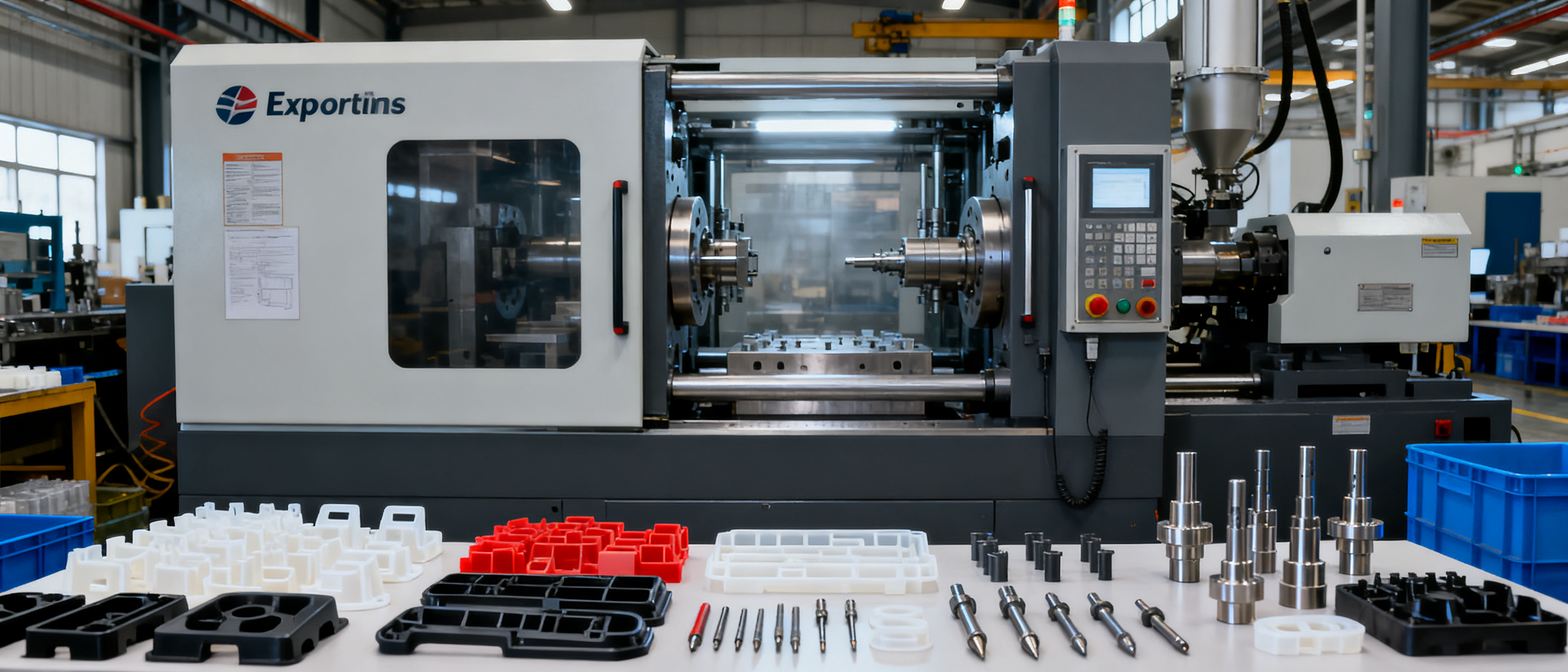
A buyer evaluating an injection molding website process materials tooling data can decide in seconds whether to send an inquiry or move on. A simple machine list—clamping force, shot weight, number of presses—proves you own equipment, not that you can handle a complex part. This guide spells out the process details, materials specifics, and tooling realities that engineer-level buyers actually scan for when they land on an injection molder’s site.
Why an Injection Molding Website Must Go Beyond a Simple Machine List
A page that lists “10 injection machines: 80T to 650T” tells a buyer almost nothing. What they need to verify is process control. Can you hold tight tolerances on thin-wall parts? Do you know how to gate a glass-filled nylon housing without excessive warpage? Those questions are answered by showing, not just claiming, capability.
Instead of a machine roster, lead with the process range you routinely execute. Mention shot size range in grams, maximum mold dimensions, and any specialty processes like in-mold decoration, gas assist, or two-shot molding. Then add the data buyers actually use to shortlist suppliers: draft angle minimums, wall thickness capabilities, typical gate types, and quality documentation standards. This turns a static brochure into a pre-engineering check.
Process Specifics Buyers Look For: From Draft Angles to Gating
When a sourcing engineer opens an injection molding capability page, they are mentally running through a mental checklist. Your site should answer these questions without forcing them to email.
- Draft angles – State your standard draft (e.g., 1°–3° per side for untextured surfaces) and when you can go lower with special ejection.
- Gate types – List the gate styles you regularly use: edge, sub, tunnel, fan, or hot-runner valve gates. A buyer with a cosmetic part will scan for sub-gates or hot tips immediately.
- Wall thickness range – Show minimum and maximum wall thickness you can fill consistently, ideally with material examples (e.g., “0.6 mm wall in ABS, 0.8 mm in PC”).
- Venting and burn prevention – Mention if you use vacuum venting or standard parting-line vents for materials prone to gas trapping.
- Scientific molding controls – If you use in-cavity pressure transducers, decoupled molding, or real-time process monitoring, say so—this separates commodity molders from precision shops.
Pairing these process specifics with a simple tolerance table (ISO 2768-m or DIN 16901 tolerance class) gives the buyer enough detail to rule you in or out without a phone call. That is exactly the job of a well-built manufacturer website.
Materials Section: How to List Plastics with Grades, Tolerances, and Shrinkage
A drop-down menu that says “ABS, PC, PP” is not a materials section. Buyers want to know which grades you have experience with, because mold shrinkage and processing behavior vary wildly within the same polymer family.
Organize your materials page by resin family, and for each give at least one specific grade, typical mold shrinkage (%), and the tolerance grade you can maintain. Below is an example structure that answers real questions a buyer will have.
| Material | Grade example | Mold shrinkage (%) | Typical tolerance |
|---|---|---|---|
| ABS | Toyolac 100 G-15 | 0.4 – 0.7 | ISO 2768‑m |
| PC/ABS blend | Bayblend T85 XF | 0.5 – 0.7 | DIN 16901 fine |
| PA66 GF30 | Zytel 70G30HSL | 0.2 – 0.6 (flow dir.) | ISO 2768‑f |
| POM | Delrin 500P | 1.8 – 2.2 | ISO 2768‑m |
Where possible, attach a link to the resin databook or UL card—this signals that you work from supplier datasheets, not guesses. Even a small portfolio of well-described material experiences builds more authority than a generic list of 50 resin names.
Tooling Reality: Sharing Mold Types, Lead Times, and Maintenance with Buyers
Tooling is often the single largest upfront cost for a buyer. A transparent tooling section addresses the questions they hesitate to ask: “Will this mold last 100,000 shots or 50,000?” and “What happens if a core pin breaks after delivery?”
Be clear about the mold types you build or manage domestically versus import. A table or bullet list covering these points works well:
- Mold base standards – Hasco, DME, or custom; state if you use pre-hardened steel, hardened cavities, or aluminum prototype tools.
- Mold configurations – Two-plate, three-plate, hot-runner, stack molds, family molds—and the typical number of cavities you design.
- Lead time ranges – Simple single-cavity mold: 4–6 weeks; complex multi-cavity hot-runner tool: 8–12 weeks. Give a range with a note that it depends on part complexity.
- Expected life & warranty – State the shot-life guarantee (e.g., “1,000,000 shots for production mold”) and your warranty policy on mold inserts, slides, and lifters.
- Maintenance intervals – Mention how you advise on preventive maintenance (e.g., cleaning after every 50,000 shots, lubing weekly) and whether you offer tool maintenance contracts.
When a buyer sees maintenance and life data, they assume you track tool performance. That is a mark of a factory that treats tooling as an asset, not a disposable item. For more guidance on presenting production capability clearly, see our blog on manufacturer website structure.
FAQ
What specific process details should I look for on an injection molder’s website?
Scan for draft angle norms, gate types used, wall thickness limits, and any mention of scientific molding or in-cavity monitoring. A manufacturer that openly shares these metrics has likely engineered parts similar to yours and understands how to set up a stable process.
How can a materials section prove a manufacturer’s expertise?
Move beyond polymer names to specific grades, shrinkage ranges, and tolerances they can hold. Real expertise shows when the supplier lists grades like “PC LEXAN 141R” rather than just “PC,” and attaches shrinkage data. That shows they design molds around material behavior, not generic assumptions.
Why do tooling lead times and maintenance matter to buyers?
Lead times affect product launch schedules, and maintenance policies influence cost of ownership. A site that discloses typical lead times and shot-life expectations lets a buyer calculate total project risk before they ever request a quote.
Can a small injection molding business compete with large factories on website content?
Absolutely. A focused, technically detailed capability page—explaining a handful of processes, a few trusted materials, and realistic tooling data—can outrank large, generic catalogs. Buyers often prefer the smaller shop that is transparent over the megafactory that hides behind a phone number.
References & Further Reading
- Google Search Central – Creating helpful, people-first content
- Web.dev – Learn Design for the web
- Protolabs – Design tips for injection molding
- ISO 294-4:2003 – Plastics — Injection moulding of test specimens of thermoplastic materials — Part 4: Determination of moulding shrinkage
- B2B manufacturer site blog – More guides on capability pages and trust signals