2026-09-22
How to Make a Website Without a Website Builder (Hardware OEM)
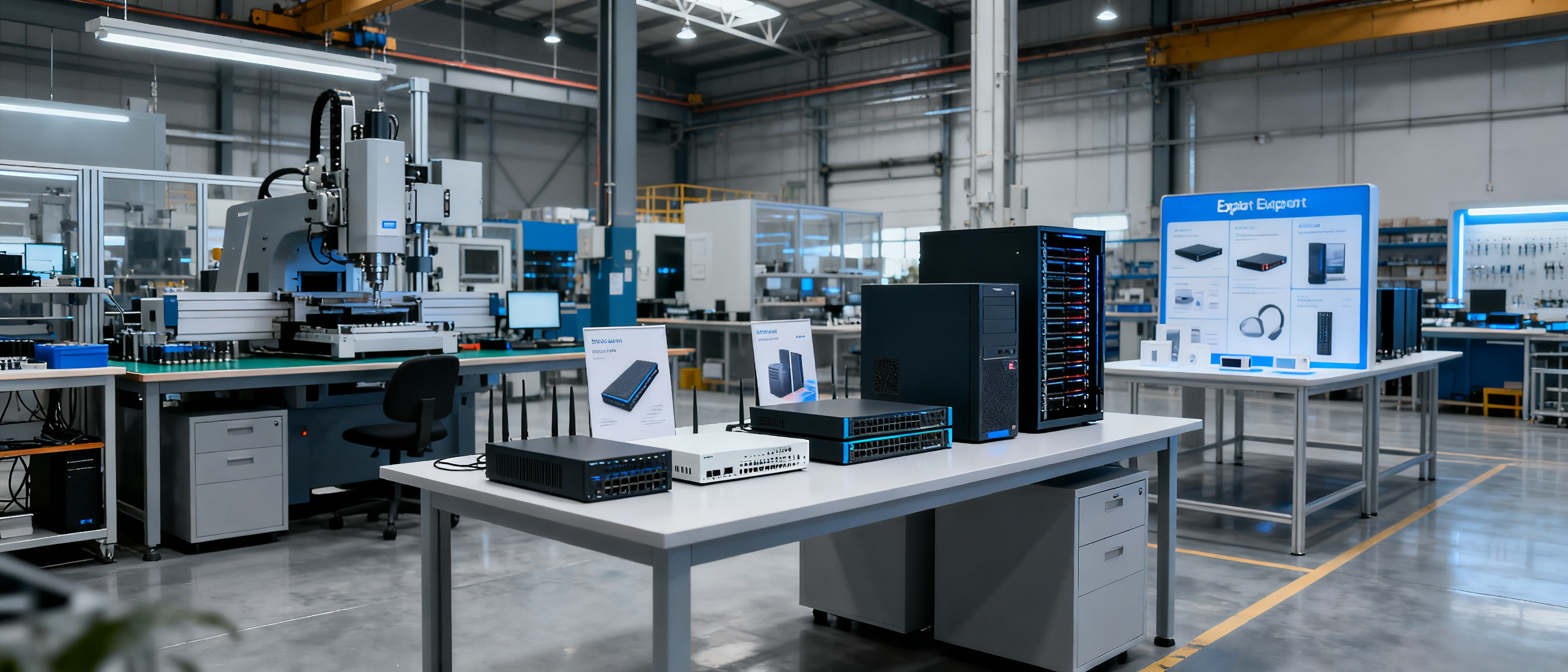
If you run a hardware OEM factory and need a site that projects trust without hiring a developer or learning a builder, you can make a website without a website builder by publishing a clean set of static HTML pages from your core business facts—no drag‑and‑drop, no backend maintenance. Export desks and small manufacturers alike are proving that a simple, information‑dense frontage works just as well as a feature‑heavy CMS, often with better speed and fewer security headaches.
How to Make a Website Without a Website Builder: Why an OEM Factory Site Without a Builder Still Works
Hardware buyers routinely scan supplier pages in seconds, hunting for material grades, finish options, and minimum order quantities—not for galleries of stock photography or animated sliders. A static, builder‑free site serves those needs perfectly. Without a website builder, you eliminate theme‑lock, plugin bloat, and update fatigue. A handful of hand‑crafted HTML pages describing your factory’s capabilities, certifications, and product tables load faster and stay immune to the vulnerabilities that plague database‑driven builders. For an export‑focused OEM, an online presence is a digital business card, and that card works best when it’s thin, factual, and always available.
Google’s own guidance on static websites reinforces this: predictable HTML with minimal JavaScript improves Core Web Vitals and indexability (web.dev). When you strip away builder overhead, you also strip away the need for constant security patches—a real relief for a factory without a dedicated web team.
Buyer Must-Haves: Material Grades, Finishes, MOQ
A hardware OEM site lives or dies by the completeness of its technical facts. Make sure your pages answer these questions without forcing a buyer to email you.
- Material grades: Spell out the full standard. For stainless steel, include AISI 304, 316, 316L with equivalent DIN or JIS numbers. Brass parts need C36000 or CW614N. Carbon steel sheets should cite ASTM A36 or S355JR. Buyers filter by specification; missing grades mean you won’t appear in their shortlist.
- Surface finishes: List every finishing process you can run—polished (Ra values), brushed, zinc‑plated (color, thickness), nickel‑plated, anodized (clear, black), powder‑coated, or hot‑dip galvanized. For fasteners, mention salt‑spray test hours if available. A photo next to a finish name often replaces a long description.
- MOQ and lead time per category: Clearly separate MOQs for stock sizes versus custom tooling. “MOQ: 5 000 pcs for M6‑M12 bolts; 500 pcs for custom‑head screws” tells a sourcing professional you understand their supply chain. Add typical ex‑works lead times (2‑4 weeks) and express whether you hold buffer stock.
- Tolerances and production capacity: State your machining tolerance range (e.g., ±0.05 mm) and monthly capacity in tonnes or units. This helps serious buyers self‑qualify before they send an inquiry.
Organise these facts into simple specification tables, not walls of text. A static HTML page with a clean table renders fast on a mobile phone and lets a procurement agent copy numbers without friction.
Managed Showcase Service vs. Simple Static Hosting
Once you’ve gathered your facts, you have two practical routes to publish without ever touching a drag‑and‑drop interface.
| Approach | Setup effort | Maintenance | Typical annual cost | Best for |
|---|---|---|---|---|
| Simple static hosting (GitHub Pages, Cloudflare Pages, etc.) | You create a few HTML files or use a free factory‑themed template, then deploy via Git or drag‑and‑drop a ZIP folder. | You update HTML whenever specs change; no automatic updates. | Free – $20 (domain + optional CDN add‑ons) | Factory owners comfortable editing plain‑text files or those who can hire a one‑time developer. |
| Managed B2B frontage service | You submit your business facts (company name, solutions, certs, product lines) once. The service assembles a factory landing page, digital card, and brochure pack. | Zero ongoing maintenance; the provider keeps the page live and updates it when you request changes. | Typically $59 – $150 per year for a thin OEM showcase | Export desks that want a always‑fresh presence without an IT person or the time to maintain static files. |
Both paths achieve the same result: a fast, credible factory site created without a conventional website builder. The right choice depends on whether you’d rather pay with your time (static hosting) or a small annual fee (managed service). A managed showcase often includes extras like a share‑ready digital brochure and short links, making it easy to send a factory introduction via WhatsApp or email—something a raw HTML site doesn’t offer out of the box.
How to Publish Without Drag-and-Drop: 3 Steps
Whether you choose static files or a managed service, the publishing workflow follows the same logic.
- Distill your factory facts into a single document. List your company history, main product categories, material capabilities, quality certifications (ISO 9001, CE, RoHS), and real contact details. Photos of production lines and packaging build trust; a video walkthrough is even better. This factsheet becomes the source of truth for any future site or brochure.
- Pick a delivery method that doesn’t demand a builder. If you go static, head to a platform like Cloudflare Pages or GitHub Pages. Drop your HTML and a
style.cssfile into a repository or upload folder. If you prefer a managed route, hand your factsheet to a specialist B2B frontage provider who will generate the pages for you—no HTML required on your side. - Connect your own domain and verify in Search Console. Point your domain’s DNS to the hosting service, enable HTTPS (automatic on modern platforms), and submit your sitemap to Google Search Console. Add a simple
structured datasnippet for your Organization or Product types (guidelines here) so search engines can display your OEM details directly in results.
Because no builder is involved, every change you make later is as simple as swapping one file or asking your service to refresh a line of text. There’s no database to migrate, no plug‑ins to update, and no risk of a theme breaking after an automatic upgrade.
FAQ
Do I need to know HTML to make a website without a website builder?
Not if you use a managed B2B frontage service—you supply the business facts, and the service generates the pages. If you choose raw static hosting, a very basic understanding of HTML tags helps, but you can start with a ready‑made factory template and only edit the visible text and image links inside a plain‑text editor. Thousands of manufacturers maintain static sites this way without writing code from scratch.
How quickly can I have an OEM site live without a builder?
A factsheet‑first approach typically takes one afternoon: a couple of hours to gather specs, certs, and imagery, plus another hour to deploy static files or submit them to a managed provider. DNS propagation can add up to 48 hours, but after that your site is publicly accessible. Managed services often go live within the same business day.
Will a builder‑free hardware site still rank on Google?
Yes. Google ranks static HTML pages just as well as CMS‑built ones, provided you include clear title tags, meta descriptions, and relevant text content. Many factory‑focused static sites perform better because they load faster and avoid the clutter that hurts mobile‑first indexing. Following Google’s SEO starter guide and adding structured data for products and organizations gives you the same opportunities as any large platform site.
What if I need to add new product lines later?
With static hosting, you create a new HTML page or append a row to an existing table and re‑upload the file. Most managed factory frontage services let you request updates via email or a simple form; they refresh the live pages for you. Either way, you’re editing facts, not wrestling with a page builder interface, so the process stays lightweight.
References & Further Reading
- web.dev – Static websites: fast, secure, and simple
- Next.js – Static Exports (helpful for those who might later scale a static OEM site)
- Google Search Central – Structured Data for Manufacturers
- B2B Frontage Blog – More Guides for Manufacturers
- Cloudflare Pages – Deploy static sites instantly
- GitHub Pages – Websites for you and your projects