2026-09-06
5 Ways to Showcase Your Factory’s Capabilities Online
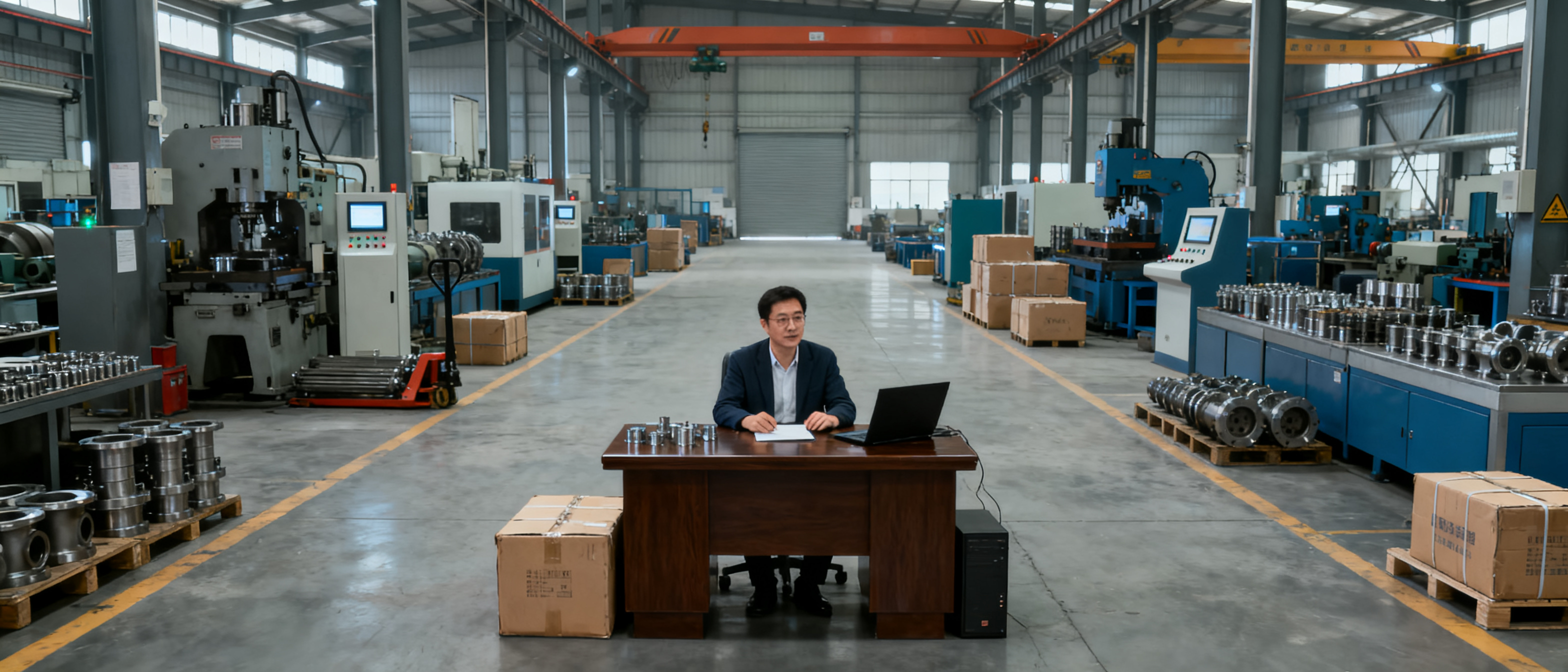
For any OEM workshop or small manufacturer, knowing how to turn production floor reality into digital trust is essential. Below are 5 ways to showcase your factory’s capabilities online that help overseas buyers inspect your operations without a plane ticket — using content you can create with a smartphone, a spreadsheet, and a little discipline.
Create a Virtual Factory Tour Video
A walk‑through video immediately signals transparency. It doesn’t require a production crew; a smartphone on a gimbal can capture the flow from raw‑material receiving to final inspection. Focus on real‑world evidence: show machinery running, operators at work, and warehouse racking — not just conference rooms. Keep the video under 90 seconds, and include a voice‑over or subtitles in English explaining what each station does. Buyers scan for capacity clues: machine brand, floor organization, and safety gear. Upload the video to your own site (not just YouTube) and embed it on a capabilities page. Google’s video guidelines recommend a clear title, thumbnail, and structured data so the video can appear in search results, which gives procurement teams a quick preview even before they click through.
- Use a stabiliser or a steady hand; avoid pans that are too fast.
- Show one or two signature products being made from start to finish.
- Add timestamps in the description so a buyer can jump straight to the moulding or assembly area.
Publish Detailed Capability Spec Sheets
A capability spec sheet is the manufacturing equivalent of a nutrition label. It should list materials processed, tolerance ranges, maximum part dimensions, surface finishes, and lead‑time ranges. Most buyers use spec sheets to triage suppliers before they ever send an RFQ. A single A4 PDF — saved as text, not a scanned image — can be read by search engines and procurement software. Include your factory’s equipment list and a brief note on minimum order quantities. Thomasnet’s guide to spec sheets suggests organizing by material family and process, then adding a clear “what sets us apart” block. This document becomes a reusable asset you can attach to emails, upload to directories, and link from your homepage.
- Use real numbers, not “excellent quality.”
- Format as a clean table: process, capability, unit, remark.
- Date the sheet and update it when you add a new machine or certification.
Document Quality Control Processes and Certifications
International buyers often need to justify a supplier selection to their own compliance team. Photograph your QA lab, list the test equipment (CMM, XRF, tensile tester, etc.), and explain the inspection gates: incoming material, in‑process, pre‑shipment. If you hold ISO 9001, CE, FDA, or industry‑specific certifications, make them easy to find — not buried in a .zip file. A responsible manufacturer page that shows the calibration records, the AQL sampling plan, and a real checklist gives a sourcing manager the confidence to shortlist you. The International Organization for Standardization (ISO) provides free public summaries of quality management principles that can help you frame your own process narrative. Even if your certification is pending, showing the documented procedure still counts.
- Publish a simple flow chart: QC1 → QC2 → Final Audit.
- Redact client names but keep the defect categories visible.
- Add a sentence about how you handle non‑conformances.
Leverage Case Studies and Customer Testimonials
A factory’s true capability is proven by the problems it solved. Short case studies — one or two paragraphs — that describe a challenge, the solution, and the measurable result are far more persuasive than a generic “10 years experience” badge. Did you reduce a client’s assembly cost by 18% through a design change? Did you hit a 99.2% on‑time delivery rate for a 12‑month contract? Write it down. Even a single testimonial from a long‑standing buyer, with permission, can be quoted on your site. For B2B scanning, credentials like “supplier of the year” from a known platform or a trade‑show award carry weight. These are assets that competitors rarely bother to assemble, and they require no IT help — just a Word document and a willingness to ask.
Use Interactive Process Diagrams or Equipment Lists
An interactive process diagram — or even a simple, well‑structured HTML table — lets a buyer self‑navigate your production flow. Map out the journey from CAD review to packaging, showing decision points and in‑house vs. outsourced steps. For many small manufacturers, a clean equipment list is even more practical: machine name, brand, age, capacity, and tolerance. Buyers often search for specific capabilities like “600‑ton injection moulding” or “5‑axis CNC with 1.2 m bed.” Putting that data in a table makes it scannable and search‑engine friendly. Here’s a sample layout:
| Machine | Brand/Model | Capacity | Quantity | Notes |
|---|---|---|---|---|
| CNC Vertical Machining Center | Haas VF-2 | 760×400×500 mm | 6 | ±0.01 mm, 4‑axis |
| Injection Moulding | Haitian MA3200 | 3200 kN | 4 | Up to 800 g shot |
| Laser Cutting | Trumpf Trulaser 3030 | 3000×1500 mm | 1 | Stainless steel up to 20 mm |
Presenting this data online — no animation, no fancy graphics — is one of the most direct ways to showcase your factory’s capabilities online because it answers the buyer’s first question: “Can you physically make my part?”
FAQ
How long should a factory tour video be?
Aim for 60–90 seconds. Buyers scan quickly; a concise video that shows key operations, workspace organization, and a finished product delivers more value than a long, slow pan. Place the video on your own domain so it loads fast and can be crawled by search engines.
What information must a capability spec sheet include?
At minimum, list materials you work with, maximum dimensions, tolerances, surface finishes, production volume per month, and standard lead times. Add your equipment list and any certifications. A PDF that is generated from real text (not a scan) helps search engines index your capabilities.
Do I need expensive equipment to create a virtual tour?
No. A modern smartphone with a simple stabilizer produces footage that is perfectly acceptable for B2B buyers. The key is showing the real environment — good lighting, tidy workstations, and operators in proper safety gear. Avoid special effects; authenticity is what sourcing teams trust.
How can I get customer testimonials from international buyers?
Start by asking a long‑term client if they would be willing to write a short paragraph about their experience. Offer a draft they can edit, keep the focus on a specific project outcome, and always ask for permission before publishing. Even one or two genuine testimonials can significantly lift a buyer’s confidence.
References & Further Reading
- Google Search Central: Video best practices – how to help your factory tour appear in search
- Thomasnet: How to create a product spec sheet – structuring a capabilities document that industrial buyers expect
- ISO: Quality management principles – the framework behind credible certification documentation
- B2B Frontage blog – more practical guides for export manufacturers and small‑batch suppliers