2026-09-24
2026 Website Maintenance Pricing for B2B Manufacturers
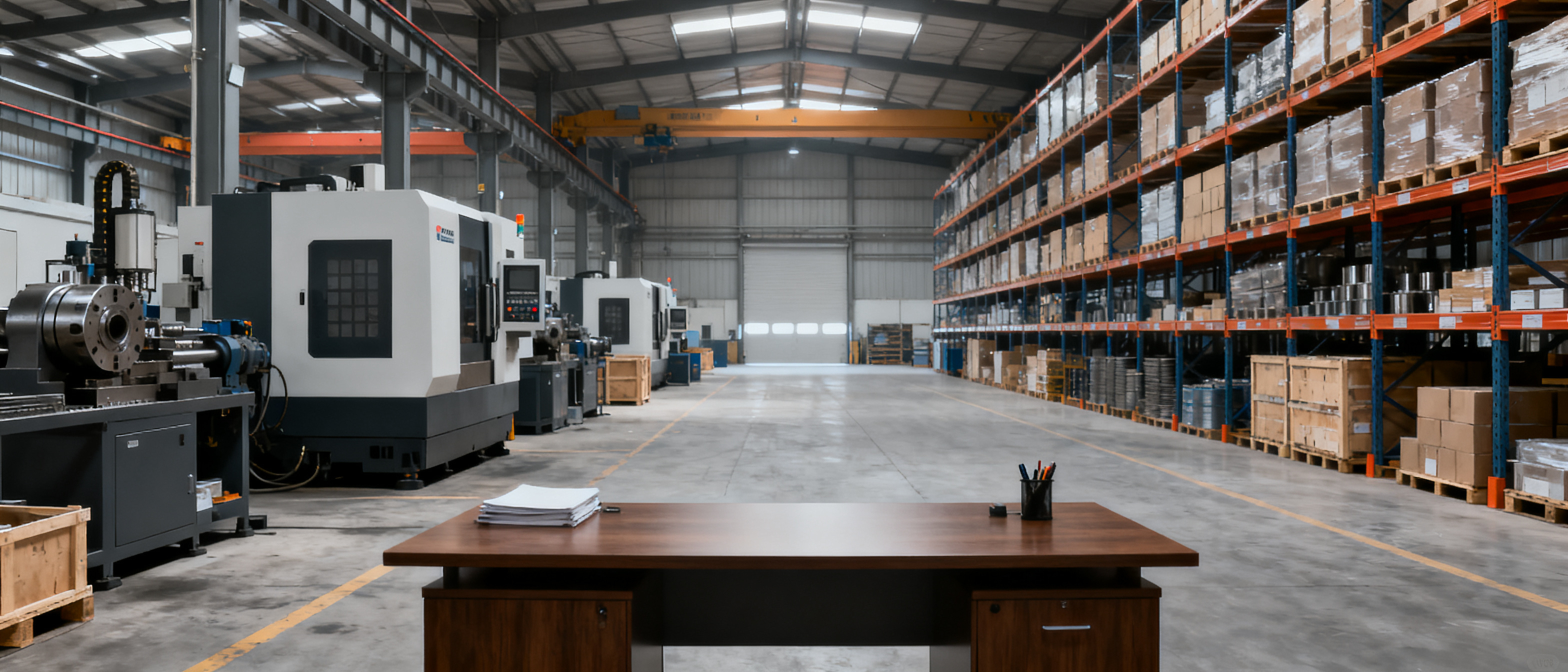
For B2B manufacturers, 2026 website maintenance pricing typically falls between $50 and $300 per month for a standard catalog or corporate site, but the real number depends far more on site complexity and required updates than on company revenue. A simple CNC job shop with 20 static pages can often keep costs under $100 a month, while a mid-sized OEM with multiple product lines, multilingual content, and a client portal may spend $400 or more. This article breaks down what those fees actually cover, why a small factory page costs less to maintain than an e‑commerce store, and how to weigh the real price of doing it yourself against a managed plan.
What Does Website Maintenance Include in 2026?
For a manufacturer’s English frontage, maintenance isn’t just “keep the site up.” In 2026 it spans a set of technical and content tasks that directly affect buyer trust and lead generation:
- Hosting, domain & SSL certificate renewal – the foundational costs, often bundled.
- CMS, theme & plugin updates – outdated components are the top attack vector for factory sites that sit untouched for years.
- Security monitoring and firewall rules – especially if the site handles contact forms or RFQ uploads.
- Uptime monitoring and backup – a buyer scanning ten supplier sites abandons a page that hasn’t loaded in 3 seconds.
- Performance tuning – image compression, lazy loading, and Core Web Vitals optimisation so the site doesn’t leak buyers before they see your capabilities.
- Content updates – adding a new machine list, updating certifications, or refreshing outdated specifications.
- SEO hygiene – broken link checks, sitemap and structured data verification, and staying clean on Google Search Console.
- Compliance checks – privacy policy updates and accessibility (WCAG) improvements, increasingly demanded by European and North American procurement portals.
Ignoring any one of these can quietly turn a prospect’s 10‑second scan into a bounced session. The difference between a site that generates inquiries and one that’s invisible often lives in the maintenance routine, not in the original build.
Average Website Maintenance Pricing Tiers for Manufacturers
When export managers ask about 2026 website maintenance pricing, the starting point is less about “how many pages” and more about the underlying technology stack and update frequency. A static factory showcase that changes twice a year lives at the bottom of the cost curve; a dynamic catalogue linked to an internal inventory system sits at the upper end.
| Tier | Typical Monthly Cost (USD) | What’s Included |
|---|---|---|
| Basic static or brochure site | $50 – $150 | Hosting, SSL, monthly CMS/plugin patching, weekly backups, uptime monitoring, and 1–2 small text/image edits per month. |
| Medium dynamic site (blog, case studies, multilingual) | $150 – $500 | All basic items plus regular content additions, advanced security monitoring, performance audits, and quarterly SEO checks. |
| Enterprise or integrated portal | $500 – $2,000+ | Custom development support, ERP/CRM integrations, dedicated staging environments, 24/7 incident response, and compliance documentation. |
Prices across tiers rose slightly in 2025–2026 due to increased hosting and security tool costs, but the biggest variable remains whether you pay an agency retainer or keep maintenance in-house. A $59‑per‑year managed plan from a platform that auto‑handles hosting, updates, and SSL can replace the $100‑per‑month line item entirely for a static site, but that model fits best when your site doesn’t need custom code or frequent overhauls.
Industry-Specific Factors: Why a CNC Job Shop May Pay Less (or More)
A precision machining factory with a simple equipment list, a handful of part photos, and a contact form typically pays on the lower end. There are no daily blog posts, no complex search filters, and no logged‑in client area. Maintenance boils down to keeping the platform current and verifying that the SSL certificate hasn’t expired — work that an automated system can do for a flat annual fee.
Things shift when that same job shop needs a password‑protected RFQ portal, real‑time machine‑availability calendars, or integration with an ERP that pulls live inventory. Those features require database oversight, regular security patches on custom code, and a staging environment where changes can be tested before going live. In that case, annual maintenance can exceed $3,000 even for a company with only 30 full‑time employees. The cost driver isn’t company size — it’s the number of moving technical parts a buyer never sees.
By contrast, a large B2B distributor running a WooCommerce catalogue with 10,000 SKUs, a tiered‑pricing module, and three language versions pays more because every plugin update risks breaking a checkout flow. The extra expense comes from regression testing and dedicated support, not from the page count alone.
Export‑oriented factories that rely on Alibaba, Made‑in‑China, or IndiaMART as their primary discovery channel sometimes assume a stand‑alone website needs the same feature depth. In practice, buyers use the manufacturer’s own domain to verify legitimacy and ability, not to replicate a marketplace dashboard. That limited scope is what keeps maintenance costs low for a lean capabilities showcase — and why a CNC job shop can maintain a polished English frontage for far less than the e‑commerce side of the business.
Managed Maintenance Services vs. DIY: What’s the Real Cost?
A factory owner doing maintenance themselves might price it at “a few hours a month.” But when you factor in learning curves, troubleshooting after an overnight plugin conflict, and the business cost of an SSL expiry that takes the site offline for 48 hours, DIY maintenance often costs more than a managed plan.
Managed services — whether through an agency, a platform, or a freelancer — shift the burden of uptime, security patches, backup verification, and compatibility testing onto a system or a person whose job it is. For a small manufacturer, an agency retainer at $150–$300 per month can be a fair trade if it prevents one lost inquiry per quarter. On the other hand, if your site is a static set of 10 pages that rarely changes, a fully managed hosting and update package at a flat annual fee (sometimes under $100) may be the most capital‑efficient route.
Real cost includes not just dollars but the attention of the person who would otherwise be doing the updates. In a 12‑person export office, pulling a sales manager off lead follow‑up to figure out why a form stopped sending emails is a net negative. Maintenance plans that include a support desk for such issues convert a technical headache back into a predictable line item — one that often sits well below the cost of hiring even a part‑time web specialist.
Before choosing, run the numbers on one year of downtime risk: if your site generates even one qualified overseas inquiry a month, the value of that lead usually dwarfs the maintenance budget of a basic manufacturer site. That’s why 2026 website maintenance pricing is best evaluated against the opportunity cost of an invisible shop window, not just the invoice total.
FAQ
Is website maintenance tax‑deductible for a manufacturing business?
Yes, in most jurisdictions website maintenance is treated as an ordinary business expense. If the site is used to promote products, generate leads, or support customer service, hosting, security updates, and content changes are typically deductible. Export factories may also be able to claim related software subscriptions and managed‑service fees. Always confirm with your local accountant, especially if the site expenses cross international borders.
How often should a B2B manufacturer update site content?
No single rule fits every industry, but a useful pattern for manufacturers is to refresh capability pages when machines or certifications change, publish a case study or machinery addition every quarter, and update the “About” or company timeline once a year. Search engines reward fresh, accurate information, but they also penalise abandoned content farms. For a lean export site, quality beats frequency — a well‑maintained 15‑page showcase often outperforms a 200‑page catalogue that hasn't been touched in three years.
What happens if I ignore website maintenance for six months?
The most common sequence is: SSL certificate expires, browsers show a warning, visitors bounce. Then outdated plugins create security gaps, spam takes over the contact form, and the site goes down — or gets blacklisted by Google. Buyers who land on a broken or flagged page within seconds will move to the next supplier in their search result. Recovery often costs more than a year of basic maintenance and may require a complete rebuild if the CMS is too far behind.
Can I use a website builder that handles maintenance automatically, and is it cheaper?
Yes, several modern platforms package hosting, SSL, updates, and even content editing into a single managed layer. For a static B2B manufacturer site, the all‑in cost can be as low as $59–$99 per year. The trade‑off is custom control — you may be limited in design flexibility or plugin choice. But for an SME that doesn’t have a web team and needs a dependable overseas frontage, this model often provides the lowest‑risk maintenance path because the technology maintenance is absorbed by the platform, not by the factory owner’s to‑do list.
References & Further Reading
- B2B Frontage Blog — articles on manufacturer website presence, maintenance, and cross‑border buyer behaviour.
- Web.dev Performance Scoring — Google’s guidance on why site speed and Core Web Vitals affect visitor retention and search visibility.
- Google Search Central: Security and site maintenance — technical documentation on how security issues impact search rankings.
- HubSpot — Website Maintenance Cost in 2024: What to Expect — a broad overview of cost factors that apply across business types, including manufacturer sites.
- Next.js Measuring Performance — relevant for any factory site that prioritises fast load times and modern front‑end practices.