2026-10-30
10 Essential Features Every CNC Machine Shop Website Needs
When evaluating a potential CNC machining partner, procurement teams and engineers often decide within the first 15 seconds of landing on a shop’s website whether it’s worth sending an RFQ. The 10 essential features every CNC machine shop website needs aren’t flashy design or deep CMS catalogues—they’re concrete trust signals that answer “can you make my part, to spec, on time?” before a single email leaves your outbox.
Machine Capabilities and Materials You Can Actually Verify
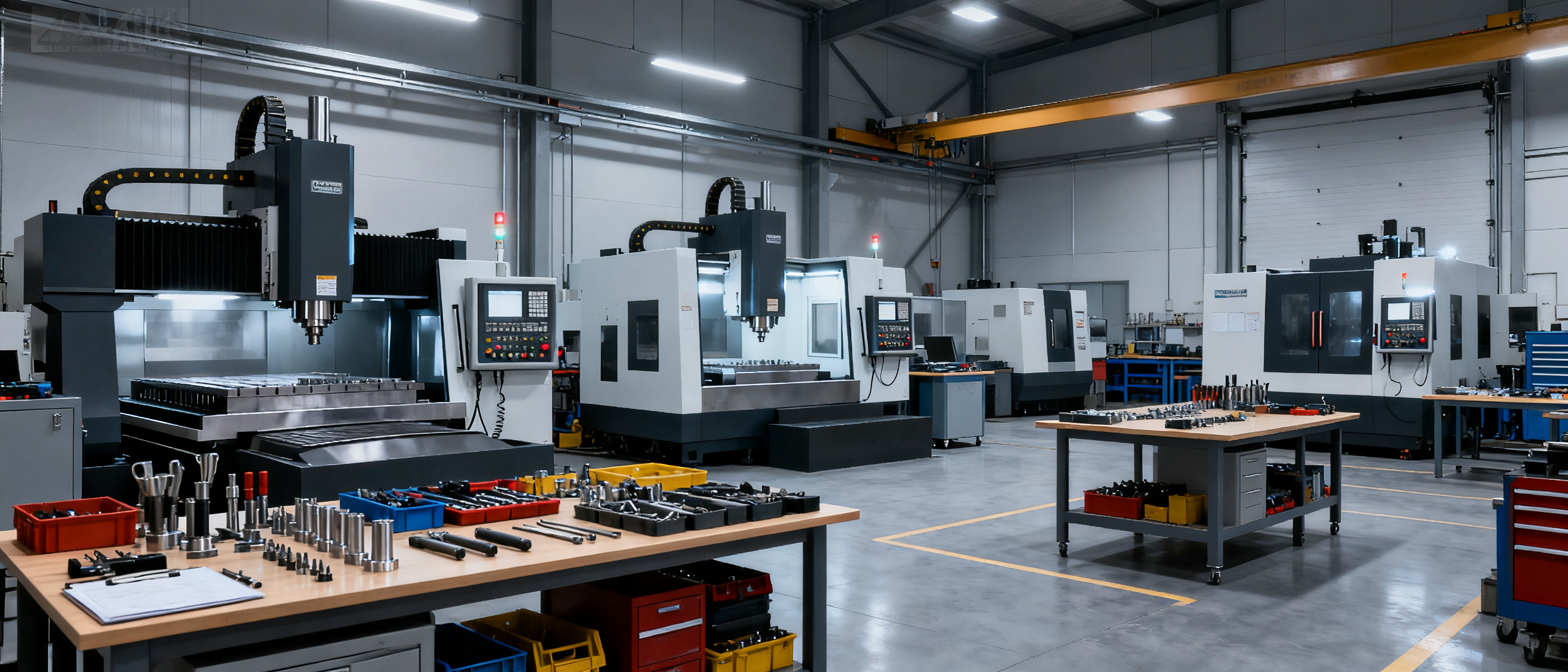
A legitimate CNC shop site will plainly list the types of CNC machines it runs (3‑axis, 5‑axis, Swiss‑type, turning, EDM), nominal work envelope sizes (X/Y/Z travels), and the materials it stocks or regularly processes. Vague phrases like “we do precision machining” without tolerances are a red flag. Specific achievable tolerances—±0.005 mm for milling, ±0.01 mm for turning—and a materials table that spells out common grades (6061‑T6 aluminum, 304 stainless, PEEK, titanium Grade 5) give you immediate confidence. Even better, photographs of labeled machine lines and a “shop tour” page help a buyer picture whether the floor can handle the part geometry and batch sizes.
- Machine models and axis counts (e.g., Haas VF‑2, DMG MORI NLX)
- Maximum part size and weight limits
- Material list with alloy/grade designations, not just “steel”
- Surface finish capabilities (Ra values) when relevant
- Photographs of the actual production floor, not stock imagery
| CNC Process | Typical Tolerance Range |
|---|---|
| 3‑Axis Milling | ±0.005 mm – ±0.01 mm |
| 5‑Axis Milling | ±0.005 mm – ±0.02 mm (complexity‑dependent) |
| CNC Turning | ±0.01 mm |
| Swiss‑type Machining | ±0.005 mm or tighter |
| Wire EDM | ±0.002 mm |
Quality Certifications and Inspection Equipment Shown On‑Site
Buyers scanning a machine shop’s website instinctively filter for credible quality attestations. Look for current ISO 9001, IATF 16949, or AS9100 certificates (with certificate numbers partially visible) and photographs or descriptions of in‑house inspection tools: CMMs, optical comparators, surface roughness testers, and hardness testers. A site that shares a sample inspection report—or explains its first‑article inspection process—cuts days off your own verification. An absence of any quality documentation, or a lone “100% quality guaranteed” badge, often means you will spend extra time checking everything manually. You can quickly cross‑reference the certifying body’s online registry when a shop links to it.
Production Capacity and Lead Times That Feel Realistic
One of the 10 essential features every CNC machine shop website needs is a clear, realistic statement of production capacity and lead times. Instead of “fast delivery,” you should see details like “500 pcs in 2 weeks, 5,000 pcs in 4 weeks” or a monthly output expressed in machine hours or tonnes. A shop with 12 CNC mills running two shifts cannot promise 5‑day turnarounds on complex parts without a premium—and a credible site doesn’t pretend it can. Also check whether the site indicates idle capacity for rush orders and states typical shipping terms (FOB, EXW, DAP) alongside the port of departure. Load these numbers into your own risk assessment against your deadlines.
- How many CNC machines and what is their current utilization rate?
- What is the typical lead time for a first‑article and for a production run?
- Does the shop state a minimum order quantity (MOQ) per part family?
- What international shipping terms are quoted?
Transparency and Contact Paths That Reduce Risk
A machine shop that expects serious RFQs will make direct, verifiable contact information easy to find. A public company address—complete with a Google Maps embed or a photo of the factory gate—a named contact person, and a phone or WhatsApp number all signal openness. Generic web forms without any human reference point add friction and mistrust. You should also look for company registration numbers, shipping‑point details, and maybe a handful of past project photographs (without revealing customer IP). The more paths a site gives you to reach a real decision‑maker, the lower your perceived sourcing risk. For a broader look at what makes a manufacturer’s website trustworthy, the B2B Frontage blog has practical checklists—but here the non‑negotiable feature is a direct, verifiable route to a human who can answer your drawing questions.
FAQ
Why is a machine shop’s own website more trustworthy than an Alibaba or Made‑in‑China listing?
An owned website signals a long‑term investment in brand and customer relationships. Marketplace listings are easy to create and abandon; a dedicated domain with consistent company information, real machine photos, and verifiable contact details makes it harder to hide behind a middleman. Buyers find that shops willing to maintain a clear own‑site are often more responsive and accountable.
What should I do if a CNC shop’s website lacks tolerance or material details?
Ask for a capabilities statement or a drawing review before sending an RFQ. If they cannot provide it quickly, that indicates a communication gap. A capable shop will usually share a PDF or a link to a page that specifies tolerances, materials, and typical part examples.
How can I verify the certifications listed on a machine shop’s site?
Most certification bodies (TÜV, SGS, BSI) offer online certificate checkers. Enter the certificate number, or ask the shop for a current copy and verify the expiry date. Cross‑check the scope of the certification—ISO 9001 for “manufacturing of machined parts” versus “trading” matters.
Is a machine shop with fewer website pages less credible?
Not necessarily. A thin site with precise capability data, real machine photos, and clear contact paths can outperform an overcrowded CMS full of generic stock photos. Procurement scanners value evidence over volume—10 quality pages beat 50 padded ones.
What lead time information makes a CNC website believable?
Believable lead times cite part complexity, order quantity, and current capacity. A shop that says “5 days for all parts” likely overpromises. A better site will offer a range: “simple milled parts, 3–7 days; multi‑axis components, 2–4 weeks.” That honesty correlates with on‑time delivery performance.
References & Further Reading
- ISO 9001 Quality Management — ISO.org — Understand what ISO 9001 certification entails and how to verify it.
- How to Evaluate a CNC Machine Shop — Thomasnet — A buyer’s guide to vetting precision machining suppliers.
- B2B Frontage Blog — Articles on building and evaluating supplier websites, digital cards for OEMs, and more.
- Google Search SEO Starter Guide — For machine shops wanting to improve their own‑site visibility (relevant to buyer expectations of well‑structured pages).